

Why do I keep getting headaches (and how to actually fix them)

One of the most common and excruciating pains a human can experience is a throbbing headache that won’t go away. Every human has experienced at least one headache in their lifetime.

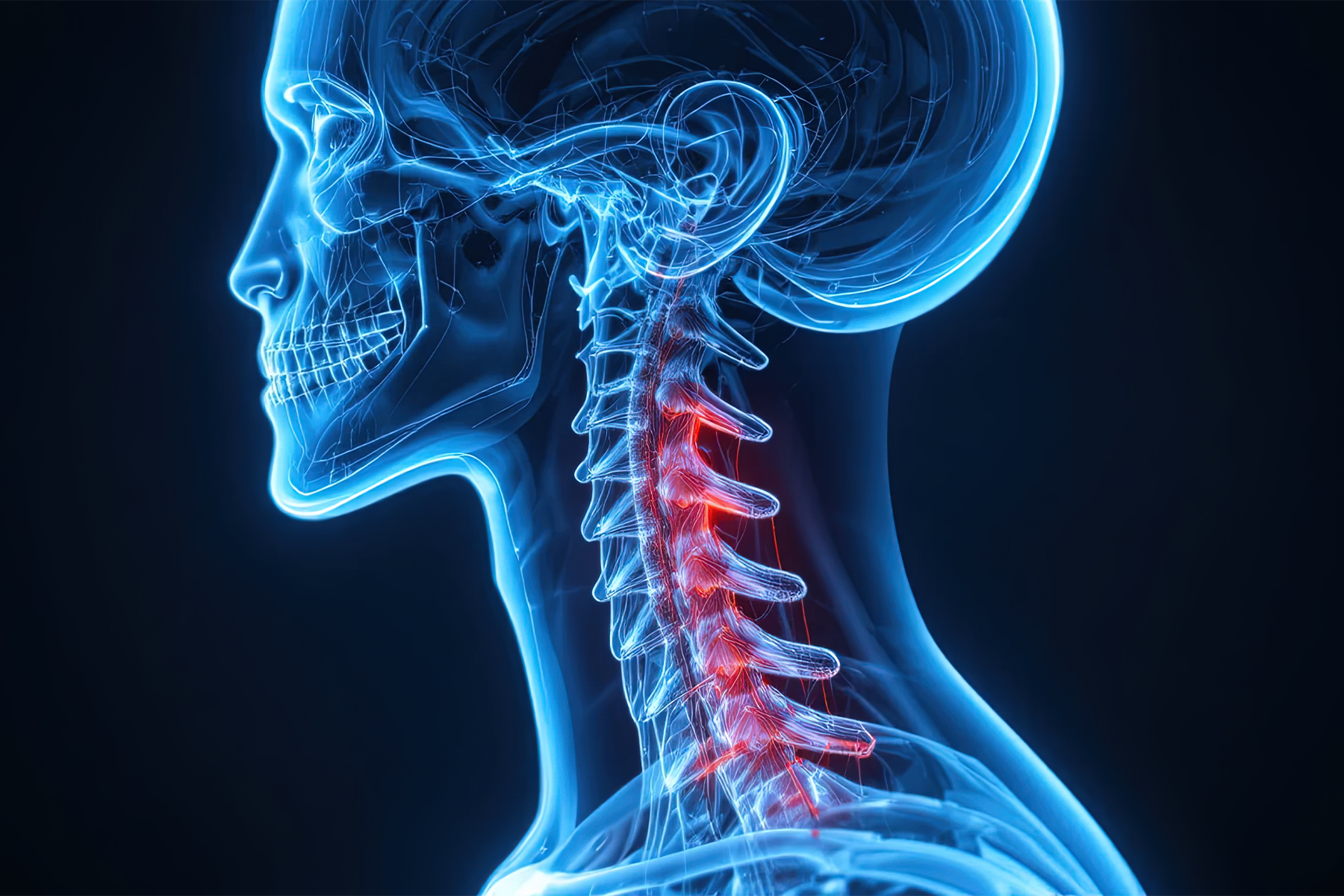
Whenever we have a headache, we usually pop some painkillers or tolerate the pain until it fades away. Headaches can become a concerning issue when you experience occasional and/or persistent headaches that do not go away even after trying remedies such as drinking ample fluids, getting enough sleep, or managing stress. Yes, these remedies do help alleviate body ailments like headaches; however, they do not necessarily address the root cause. To many people’s surprise, the underlying cause of some headaches lies in the upper back or neck, rather than the head itself.

What kind of headache are you having?

头痛 症状 Triggers
Migraine
·  Moderate to severe throbbing pain, typically on one side

·  Nausea and/or vomiting

· Sensitivity to light, sound or smells

· Tingling or numbness in limbs in some cases
Stress, hormonal changes, certain foods, sleep disruption, weather changes
Tension-type
· Dull, non-throbbing ache on both sides of the head

· Often described as a tight band around the head

·  No nausea or vomiting

· May involve neck or shoulder tightness
Stress, fatigue, eye strain, poor posture
Cluster
· Sudden, severe pain on one side, usually around one eye

·  Tearing and redness of the eye on the affected side

·  Runny or blocked nostril on the same side
Alcohol, strong smells, disrupted sleep patterns
Cervicogenic
·  One-sided head pain/ Buckhead pain. It can radiate up one side or start at the back of your head and radiate to the front, behind your eyes.

· Limited movement or range of motion in your neck. Your headache may get worse with neck movement.
A disorder of the cervical spine* and its component bone, disc, and/or soft tissue elements.

How common are headaches?

Headache disorders are one of the most common neurological conditions worldwide. A global analysis estimates that 52% of the world’s population experiences an active headache disorder at any given time. Among these, migraine affects about 14%, while tension-type headaches affect 26%, and chronic headaches—defined as occurring on 15 or more days per month—affect approximately 4.6%. In Singapore, headaches are also highly prevalent, with a reported lifetime prevalence of 82.7%, and 9.3% of the population experiencing migraines.(3)

How can your back contribute to your headache?

This phenomenon is called referred pain, where discomfort is felt in a location different from the actual source of injury or ailment. This occurs when a network of interconnecting sensory nerves from different body parts converges at the same spinal cord. (1)

The spine, particularly the upper cervical and upper thoracic regions, contains joints, muscles, and nerves that connect closely with the nervous system supplying the head. When there is muscle tension, joint restriction, or irritation in these areas, pain signals can travel along shared nerve pathways.

Because these nerves communicate with regions of the head, the brain may perceive the discomfort as a headache, even though the underlying source of irritation is in the neck or upper back.

Misalignment in your spine can result in excess stress on your spine and soft tissues. A cervical spinal misalignment might compress nerves or blood vessels in the neck, causing muscle tension and headaches. Prolonged periods of poor posture, repetitive stress, or overuse of the neck and upper back can cause strain, leading to referred pain in the head. Cervical spinal injuries like whiplash can cause misalignment and nerve compression, increasing your risk of cervicogenic headaches. A headache or migraine caused by reduced oxygen delivery can occur when blood flow to the brain is interrupted due to misalignments in your back. (5)

Does staring at your phone and sitting in front of a laptop for prolonged periods cause headaches?

You know how every time we complain about having a headache, our parents always blame it on our phones?

“It must be because you are always glued to that phone of yours all day long!”

Most of us would either roll our eyes as if we had heard the most ridiculous reasoning or simply brush it off and go back to our phones.

But is that really the case? Let’s take a look.
Mobile phone use involves several factors that can contribute to headaches, including:

  • Looking at the bright light from the screen
  • Straining your eyes
  • Bending over in a stooped posture
  • Using your hands and fingers repetitively to type or play games
  • Holding the phone to make calls for prolonged periods

These factors can strain the eyes, neck, and upper back, potentially triggering headaches. (6)

Tips on using your phone to prevent headaches.

  • Turning down your screen’s brightness level to a comfortable brightness
  • Setting a comfortable, readable font size on your phone to avoid eye strain
  • Taking a break when your fingers or hands feel strained (6)

Treatments for Headache

1. Symptomatic treatment

Over-the-counter medications: Paracetamol, ibuprofen, or aspirin are often effective for mild to moderate headaches.
Rest: Lying in a quiet, dark room may help ease symptoms, especially for migraine sufferers who are sensitive to light and sound.

2. Preventive treatment and non-invasive approaches

Acupuncture or acupressure: Some individuals find relief through these techniques, which stimulate specific points on the body.
Meditation and yoga: Engaging in such activities encourages mental relaxation and physical flexibility, potentially reducing headache triggers such as stress or poor posture.
Regular exercise: Low-impact aerobic exercise (such as walking or swimming) may help prevent certain types of headaches by improving blood circulation and mood. (3)

3. Chiropractic practices

Chiropractors use their hands or specialised tools to apply controlled force to misaligned vertebrae. This can help restore proper alignment, ease nerve pressure, and improve mobility, which may help with headaches.
Trigger Point Therapy
This technique targets tight, painful muscle knots—known as trigger points—that often contribute to tension headaches. By applying pressure to these areas, chiropractors can release tension and reduce headache-related pain. (2)

结论

Headaches are common in Singapore, but frequent pain shouldn’t be ignored. While painkillers may offer short-term relief from headaches in the back of the head, they often don’t address the root cause—such as poor posture, prolonged screen use, or tension in the neck and upper back.

For long-term headache relief, it’s important to identify and treat the underlying issue. Simple changes like improving posture, taking regular breaks from screens, and staying active can help reduce symptoms. If headaches continue, seeking professional care in Singapore—such as chiropractic treatment—can help address spinal alignment and provide more lasting relief.

Don’t just manage your headaches—fix the cause and take control of your health!

References

  1. Arendt-Nielsen L, Referred Pain  iconPhysio-pediaphysio-pedia.com/Referred_Pain
  2. Kathryn Watson, David Rossiaky, 14 Types of Headaches and How to Treat Them,   iconHealthlineTypes of Headaches: Symptoms, Causes, Treatments, and More
  3. iconSinghealthHeadache – Types, Symptoms & Treatment
  4. Arora Family Clinic, How your Spinal Alignment Contributes to Headaches or MigrainesiconFrisco-chiropractorfrisco-chiropractor.com/blog/posts/how-your-spinal-alignment-contributes-to-headaches-or-migraines
  5. Colleen Doherty, MD, Could Your Phone Be Causing Your Headaches? iconVerywellhealthverywellhealth.com/screen-time-exposure-link-to-migraines-4118909


真实反馈

我们的病人真实反馈

米歇尔-林
米歇尔-林
★★★★★
科万的团队友好而平易近人。Asyraaf 和 Youssef 医生专注用心 ,真诚地帮助您和您的身体感觉更好。他们还会通过一周的练习为您提供实用的练习方法,让您改善姿势,增强肌肉力量。
习文
习文
★★★★★
享受那里的伸展运动,时间安排比较灵活,可以得到合适的时间。由于调整需要时间,他们会提供套餐推荐。如果您不想要,可以直接告诉他们,他们不会硬性推销。您也可以让他们知道您喜欢的专业人士。
塞尔温-拉坎普恩加
塞尔温-拉坎普恩加
★★★★★
*Doctors/Chiropractors where very experience on their field, give advice and informed you on whats happening in your condition
*Staff here where all friendly and give you warm welcome, very accomodating and will notify you on the incoming schedule you make.
Thanks NATRAHEA Kovan🙏🙌🏻
叶选婷
叶选婷
★★★★★
那里的工作人员非常友好,乐于助人。Jason 医生是一位非常专业的整脊师 ,他非常清楚地向我解释了我的 X 光结果和我的症状 。在脊椎 了他和 Cassandra 的物理治疗后,我觉得我的下背部 和颈部僵硬症状有了明显改善。到目前为止,我在他们那里的经历非常棒,我强烈推荐在这里接受脊椎 治疗!
Alvin Koh
Alvin Koh
★★★★★
我的膝盖经常疼痛,由于长时间面对电脑,肩膀总是酸痛。卢医生、Sherry 和 Cassandra 为我提供了很多帮助,缓解了我的疼痛。这里的工作人员总是非常友好和热情,绝对是一次很棒的经历。

新加坡 NATRAHEA 诊所地址

预约颈痛治疗

如果你已经有一段时间没有注意隐隐作痛 ,或 强烈感觉到身体不平衡,请不要坐视不理。
你应该一直都很舒服。

  • 适用于首次光临 NATRAHEA 的顾客或 过去 6 个月内未光临过 NATRAHEA 的顾客。
  • 日期和时间选择仅为暂定,先到先得。我们的团队成员将与您联系,确认您的选择,或 情况建议您另约时间。
  • 仅对新加坡人、永久居民、LTVP或 工作准证持有者有效。游客不适用。
  • 您可以在付款页面选择暂定预约日期。预约以先到先得为原则。我们的客户服务团队将在一天内与您联系,确认您的预约日期。
  • 只有在临床允许的情况下,并经我们的 Circle of Healing 专家建议,才能进行肌肉锻炼。如果您有任何既往病症,请带上您过去的 X 光片。
  • 在进行任何治疗之前,如果病情被评估为需要进行 X 光检查,"愈合之环 "专家可能会建议进行 X 光检查。
  • 首次就诊时,请携带任何健康转介表、相关医疗报告(X 光片、核磁共振成像等)。或者,您也可以在首次就诊前将报告回复到订单确认电子邮件中。
  • 如果您在网上支付时遇到困难,请随时通过 Whatsapp 联系我们,电话:81386088。
至少提前 24 小时选择暂定日期和时间,或 直接在此联系我们的销售点。

奖项 &特色专访

滚动到上部