
Postpartum Care in Singapore: A Guide to Recovery After Giving Birth

Giving birth marks the beginning of a significant period of physical and emotional adjustment. While caring for a newborn naturally becomes a major priority, recovery after childbirth is an important part of the transition into parenthood.
Postpartum care goes beyond recovering from labour or returning to a pre-pregnancy routine. It includes supporting the body as it heals, gradually rebuilding strength and mobility, adapting to changes in posture and movement, and looking after emotional wellbeing.
Postnatal care in Singapore can involve a range of support, from medical follow-up and breastfeeding guidance to mental health screening, exercise advice and rehabilitation where appropriate. HealthHub highlights several aspects of recovery after childbirth, including wound care, breastfeeding, contraception, physical activity and postnatal wellbeing.
The physical effects of pregnancy and childbirth may also continue beyond the initial recovery period. Back or pelvic discomfort, changes in posture, muscle weakness and reduced mobility can affect everyday activities such as feeding, carrying a baby, getting in and out of bed, or returning to exercise.
For some, postpartum recovery may therefore involve more than rest and time. Where appropriate, professional support for movement and musculoskeletal health may form part of the wider recovery process.
What Is Postpartum Care?
Postpartum care refers to the physical and emotional care a mother receives after giving birth.
The recovery period can involve several areas, including:
- Healing after vaginal delivery, episiotomy or perineal tears
- Recovery following Caesarean section
- Pelvic floor recovery
- Gradual return to physical activity
- Managing back, neck, shoulder or pelvic discomfort
- Nutrition and hydration
- Breastfeeding support
- Sleep and rest
- Emotional and mental wellbeing
- Contraception and family planning
- Follow-up for any pregnancy or delivery-related health concerns
There is no single recovery timeline that applies to every mother. Recovery can differ depending on the type of delivery, complications during pregnancy or labour, pre-existing health conditions, sleep, support at home and the individual’s overall physical condition.
KK Women’s and Children’s Hospital (KKH), for example, describes postpartum support as including wound care, guidance on lochia and pain relief, bowel and bladder assessment, physical activity assessment, postnatal exercise and pelvic floor exercises.
This is why postpartum recovery should be viewed as a process rather than a deadline.
What Happens to Your Body After Giving Birth?
Pregnancy and childbirth place considerable physical demands on the body. Some changes resolve naturally, while others may benefit from additional assessment or rehabilitation.
Abdominal and Pelvic Changes
During pregnancy, the abdominal wall and pelvic floor adapt to accommodate the growing baby.
The pelvic floor muscles support structures including the bladder, bowel and uterus. Pregnancy and childbirth can place stress on these muscles and may contribute to urinary leakage or other pelvic floor symptoms.
This does not mean that every mother will develop a pelvic floor disorder. However, persistent symptoms should not simply be dismissed as something a mother has to live with.
Back and Pelvic Discomfort
Changes in body weight, posture, abdominal strength and pelvic mechanics during pregnancy can affect the way the body moves. After delivery, these physical demands may continue as mothers adapt to feeding, carrying and settling their baby, which can involve prolonged sitting, bending, lifting and repetitive movements.
Pregnancy and childbirth can also place stress on the pelvic floor. Some women may experience symptoms such as urinary leakage, bowel-control difficulties or pelvic floor weakness after delivery. Singapore General Hospital’s postnatal assessment service highlights the importance of recognising pelvic floor symptoms and provides information on assessment and appropriate postnatal care.
If pelvic floor symptoms persist or interfere with daily activities, seeking assessment from an appropriately qualified healthcare professional can help determine the underlying concern and whether specialised pelvic health care is appropriate.
How Long Does Postpartum Recovery Take?
One of the most common concerns during the postnatal period is: “When will I feel like myself again?”
There is no universal answer.
Some changes occur relatively quickly, while others can take weeks or months. HealthHub notes that getting back into shape after childbirth may take several months and recommends appropriate postnatal exercise rather than rushing into strenuous activity. Mothers who have had a Caesarean section are advised to ask their doctor when it is safe to begin particular exercises.
Rather than focusing exclusively on how quickly the body looks different, it can be more useful to consider whether you are gradually regaining:
- Comfortable movement
- Strength
- Mobility
- Balance
- Confidence with daily activities
- Pelvic floor function
- Ability to care for your baby without excessive physical strain
Postnatal recovery is about function as well as appearance.
Common Physical Concerns During Postpartum Recovery
Every mother’s experience is different, but several physical concerns can occur after childbirth.
1. Back Pain or Stiffness
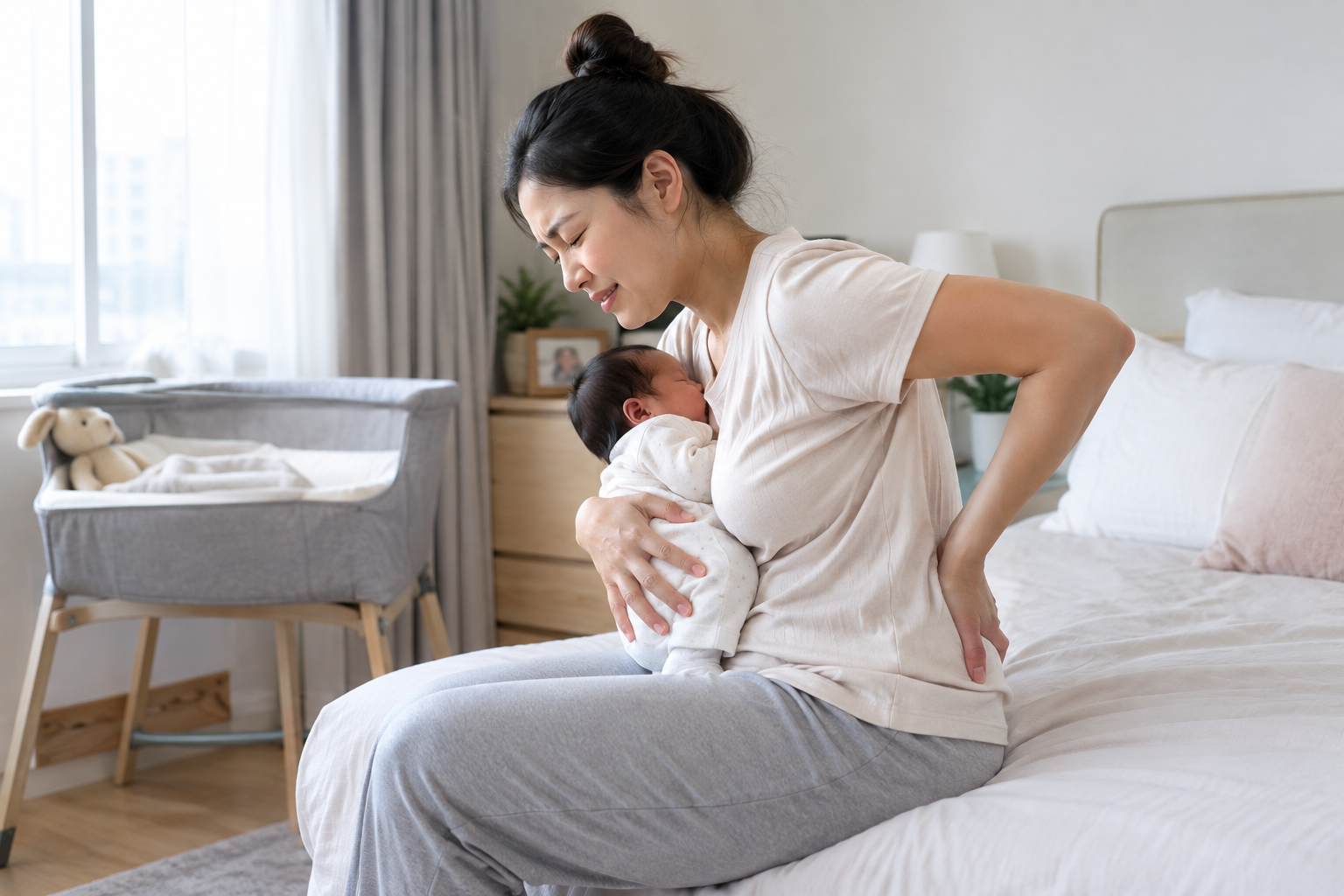
Back discomfort can become noticeable when a new mother spends long periods breastfeeding, feeding, carrying or rocking her baby.
Repeatedly leaning forward, sitting without adequate support or lifting a baby from low positions may place additional demands on the back and surrounding muscles.
If back discomfort persists or interferes with daily activities, a professional assessment may help determine whether the issue is related to muscular tension, movement patterns, posture or another condition requiring medical attention.
2. Neck and Shoulder Tension
Feeding and carrying a newborn can involve maintaining relatively static positions for extended periods.
For example, repeatedly looking down at a baby while feeding may contribute to neck and upper-back discomfort.
Simple adjustments to seating, baby positioning and feeding posture may reduce unnecessary strain. If symptoms persist, assessment by an appropriately qualified healthcare professional may be appropriate.
3. Pelvic Floor Symptoms
Pregnancy and childbirth can place significant demands on the pelvic floor muscles. Some women may experience symptoms such as urinary leakage or a feeling of pelvic pressure after delivery.
These symptoms can form part of the postpartum recovery process, but persistent or troublesome symptoms should not simply be assumed to be something a mother has to live with.
A healthcare professional, such as a doctor or appropriately trained pelvic-health physiotherapist, can assess the symptoms and determine whether specific pelvic floor rehabilitation is appropriate.
4. Abdominal Muscle Changes
Pregnancy can stretch the abdominal wall, and some women notice changes in abdominal strength or appearance after giving birth.
One condition that may occur is diastasis recti, where the connective tissue between the abdominal muscles becomes stretched. However, changes in abdominal appearance alone do not necessarily indicate a medical problem.
If you are concerned about abdominal weakness, a visible separation or difficulty returning to normal movement, consider discussing your symptoms with your doctor or an appropriately trained physiotherapist.
5. General Muscle Weakness or Reduced Mobility
After months of pregnancy followed by childbirth and a period of reduced activity, some mothers may feel that their strength and flexibility have changed.
Returning to movement gradually can help rebuild physical capacity.
HealthHub recommends incorporating appropriate physical activity after childbirth, including low-impact aerobic activity, resistance training, flexibility work and pelvic floor exercises, with exercise progression appropriate to the mother’s recovery.
How Can Physiotherapy Support Postpartum Recovery?
The physical demands of pregnancy, childbirth and caring for a newborn can continue to affect the body after delivery. Changes in posture, reduced activity during recovery and repetitive movements such as feeding, carrying and lifting a baby may contribute to muscle tension, stiffness or reduced mobility.
For mothers experiencing these types of musculoskeletal concerns, physiotherapy may be considered as part of their postpartum recovery. A physiotherapy assessment can look at movement, strength, flexibility and functional limitations before developing an approach that is appropriate for the individual’s needs and stage of recovery.
Postpartum Musculoskeletal Concerns
Some mothers may experience:
- Lower-back discomfort or stiffness
- Neck and shoulder tension
- Muscle tightness or reduced flexibility
- Changes in posture
- Difficulty with certain everyday movements
- Reduced strength after a period of lower physical activity
- Discomfort when sitting for prolonged periods during feeding
- Difficulty returning to normal physical activities
These concerns can affect simple aspects of daily life, from getting in and out of bed to carrying your baby or maintaining a comfortable feeding position.
For mothers experiencing postpartum musculoskeletal concerns, physiotherapy may be one option to support physical recovery. At NATRAHEA, physiotherapy focuses on movement and physical function, with treatment approaches adapted according to the individual’s presentation, needs and recovery goals.
This may be relevant for mothers experiencing concerns such as back discomfort, muscle tightness, reduced mobility or difficulty returning to normal physical activities after childbirth.
How NATRAHEA Can Fit Into Postpartum Recovery
Postpartum recovery can involve a range of physical changes, from back and neck discomfort to muscle tightness, reduced mobility and changes in posture. While medical follow-up remains an important part of care after giving birth, some mothers may also benefit from support focused on movement and musculoskeletal health.
NATRAHEA’s wide range of solutions may be considered for appropriate musculoskeletal concerns during this stage of recovery. Depending on the individual’s needs, these services may focus on movement, mobility, flexibility, posture and physical function as the body gradually adapts after pregnancy and childbirth.
The appropriate approach depends on the mother’s delivery history, current symptoms, stage of recovery and overall health. Where symptoms relate to obstetric, gynaecological, pelvic health or other medical concerns, assessment by the appropriate healthcare professional should remain the priority.
Chiropractic Care for Postpartum Musculoskeletal Concerns
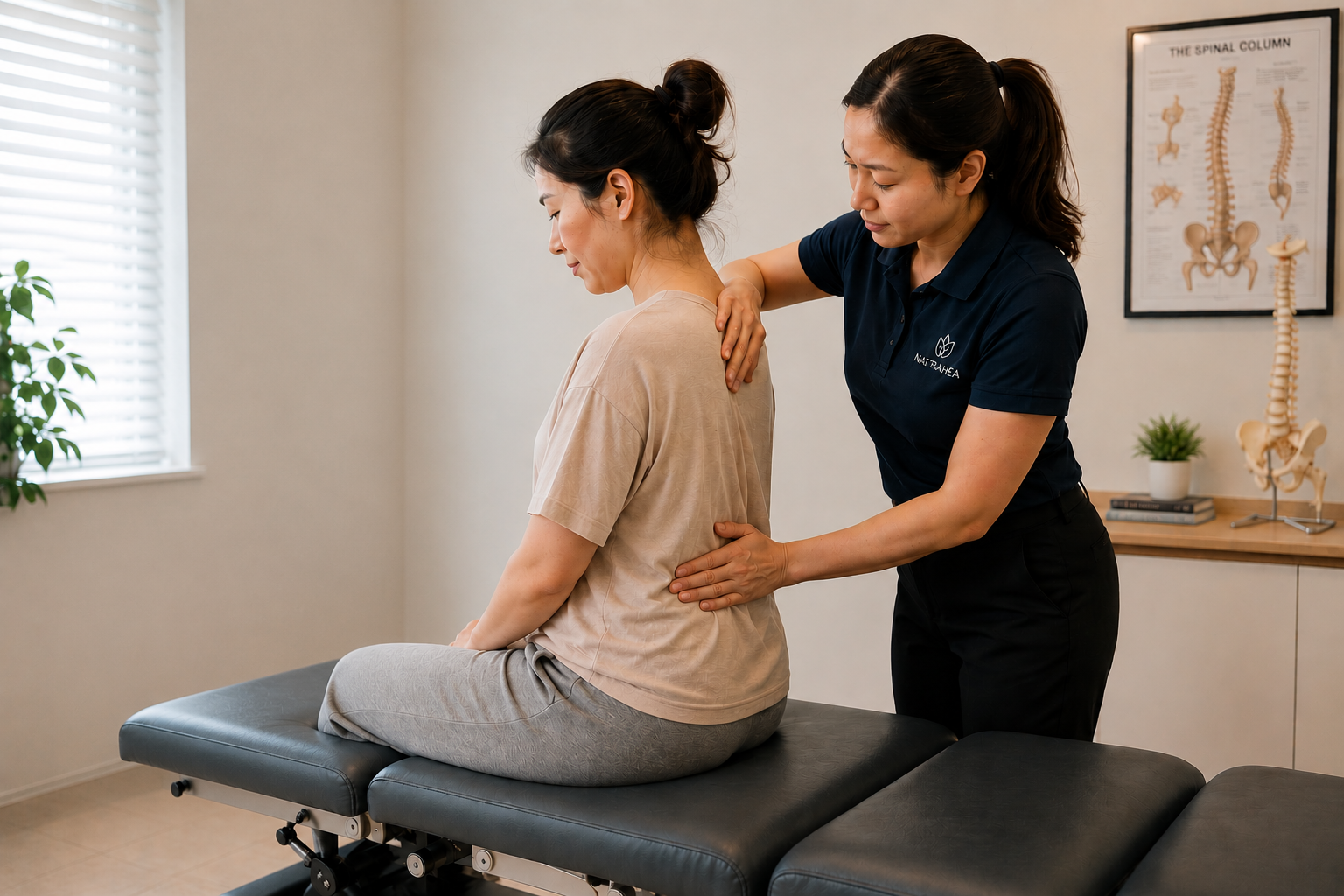
Pregnancy and the early stages of caring for a newborn can place additional physical demands on the back, neck, shoulders and other areas of the musculoskeletal system. Prolonged feeding positions, frequent lifting and carrying, and changes in posture may contribute to discomfort or stiffness.
NATRAHEA’s Chiropractic Care begins with an assessment of your health history, movement and physical condition. Depending on the findings and individual needs, the session may include consultation and chiropractic adjustment where appropriate.
If you are considering chiropractic care after giving birth, let the chiropractor know about your pregnancy and delivery history, including whether you had a Caesarean section, experienced any complications or are currently receiving medical care. This helps the practitioner understand your recovery and determine whether chiropractic care is appropriate for your musculoskeletal concerns.
For symptoms relating to childbirth complications, pelvic health, wound healing or emotional wellbeing, seek assessment from the appropriate healthcare professional.
Stretch Therapy for Mobility and Muscle Tension
Postpartum mothers may spend substantial amounts of time sitting, carrying their baby or maintaining repetitive positions.
NATRAHEA’s Stretch Therapy involves therapist-assisted stretching, mobility work, muscle assessment and home-care recommendations. The service is positioned around flexibility, movement quality and muscular function.
For a postpartum mother, stretch-based work may be relevant when the primary concern is muscular tightness or restricted movement.
However, stretching should be appropriately modified according to the mother’s recovery stage. A recently delivered mother, particularly one recovering from surgery or a significant perineal injury, should not assume that every stretching technique is appropriate.
A professional assessment can help determine whether stretching is suitable and how it should be modified.
What About Chiropractic or Stretch Therapy After a Caesarean Section?
Recovery after a Caesarean section can differ from recovery following a vaginal delivery because the procedure involves abdominal surgery. The timing and intensity of physical activity should therefore be guided by your doctor or maternity care team, particularly during the early stages of recovery.
If you are considering chiropractic or Stretch Therapy after giving birth, let your practitioner know about your delivery and current recovery. This may include:
- How long it has been since you gave birth
- Whether you had a vaginal or Caesarean delivery
- Whether you experienced an episiotomy or significant tear
- Any ongoing pain, bleeding or wound concerns
- Whether you have been cleared to resume exercise or physical activity
- Any pelvic floor symptoms you are experiencing
- Any medical conditions or treatment you are currently receiving
This information helps the practitioner understand your current situation and determine whether musculoskeletal care is appropriate at that stage of your recovery. Where further medical assessment is needed, you may be advised to consult your doctor before proceeding with treatment.
Supporting Physical Recovery After Childbirth
The physical demands of pregnancy and caring for a newborn can continue to affect movement and comfort after delivery. Changes in posture, prolonged feeding positions, frequent lifting and carrying, or a gradual return to physical activity may contribute to back discomfort, neck and shoulder tension, muscle tightness or reduced mobility.
Depending on the nature of these concerns, physiotherapy, chiropractic care or Stretch Therapy may be considered to support musculoskeletal health and physical function. An assessment can help determine which approach, if any, is appropriate based on the individual’s symptoms, recovery stage and movement needs.
The table below provides a general guide to how NATRAHEA’s services may relate to common musculoskeletal concerns during postpartum recovery. For pelvic floor symptoms, wound-related concerns or other complications following childbirth, consultation with the appropriate medical or specialist healthcare professional is recommended.
| Concern | Possible experience | Service that may be relevant |
|---|---|---|
Back discomfort or stiffness | Discomfort when sitting, bending, standing or carrying your baby | Physiotherapy / Chiropractic Care |
Neck & shoulder tension | Tightness from feeding or prolonged positions | Chiropractic Care / Stretch Therapy |
Muscle tightness | Reduced flexibility or stiffness | Stretch Therapy |
Postural changes | Difficulty maintaining comfortable positions | Physiotherapy / Chiropractic Care |
Reduced strength or mobility | Difficulty returning to everyday activities | Physiotherapy |
General musculoskeletal discomfort | Muscle or joint discomfort affecting daily activities | Physiotherapy / Chiropractic Care |
Pelvic floor concerns | Urinary leakage, pelvic pressure or other symptoms | Appropriate pelvic-health / medical assessment |
Sleep and Physical Recovery After Giving Birth
Sleep can become more difficult after having a newborn, making rest and physical comfort an important part of the postpartum recovery process. Feeding, carrying and settling a baby can also mean spending more time sitting, lying down or getting in and out of bed, which may place additional demands on the body.
A supportive sleep environment can help make these everyday routines more comfortable. While a mattress should not be considered a treatment for postpartum pain or a medical condition, the right level of support and comfort may be worth considering when reviewing your sleep setup after childbirth.
Choosing a NATRAHEA Mattress for Sleep Comfort
NATRAHEA’s mattress range offers different options designed around factors such as spinal support, pressure distribution and sleep comfort. Rather than choosing a mattress specifically because of a postpartum condition, consider how well it suits your preferred sleeping position, comfort needs and overall support preferences.
| Mattress Type | Best For | Sleep Feel | Support Level | Lifestyle | Great Support For |
|---|---|---|---|---|---|
SpineRest Posturepedic Mattress 10” | Essential everyday spinal alignment and posture support | Stable, medium-firm comfort with balanced cushioning | Reliable ergonomic back support for daily sleep | Practical everyday sleep solution for modern living |
|
SpinePro Posturepedic Mattress 12” | Advanced posture support with enhanced pressure relief | Adaptive comfort with balanced contouring and support | Medium-firm enhanced orthopedic support system | Balanced sleep wellness lifestyle for active individuals and couples |
|
SpineMaster Posturepedic Mattress 14” | Premium luxury posture correction and restorative sleep recovery | Deep contouring comfort with plush premium feel | Advanced multi-zone spinal support with maximum pressure relief | Luxury sleep wellness lifestyle with premium sleep comfort |
|
For postpartum recovery, the most appropriate choice will depend on individual comfort preferences, sleeping position, body support needs and the overall sleep environment. A mattress can contribute to sleep comfort, but it should not be relied upon to diagnose, treat or resolve postpartum pain or other medical conditions.
Simple adjustments can also make everyday routines easier. Keeping frequently used baby-care items within easy reach and arranging feeding areas to provide adequate back and arm support may help reduce unnecessary bending, reaching or prolonged awkward positions.
Practical Postpartum Recovery Tips for New Mothers in Singapore
1. Give Your Body Time
Pregnancy and childbirth involve significant physical changes. Returning to your previous activity level should be gradual rather than driven by a fixed deadline.
2. Start With Comfortable Movement
Walking and gentle movement can be a practical starting point for many mothers when medically appropriate.
As your recovery progresses, activity can gradually include strengthening, flexibility and cardiovascular exercise according to your individual circumstances.
3. Pay Attention to Your Feeding Posture
If you breastfeed or bottle-feed, avoid staying in an uncomfortable position simply because it feels easier in the moment.
Use appropriate support for your arms and back and change positions when possible.
4. Be Careful With Lifting
Newborn care involves frequent lifting.
After a Caesarean section or other delivery-related injury, follow your healthcare professional’s advice regarding lifting and physical activity. HealthHub specifically advises avoiding heavy lifting during Caesarean recovery.
5. Do Not Ignore Persistent Urinary Leakage
Occasional urinary leakage may occur after childbirth, but persistent symptoms deserve attention.
Pelvic floor exercises can form part of recovery, and physiotherapy may be useful when symptoms require more individualised assessment.
6. Prioritise Nutrition and Hydration
Recovery requires adequate nutrition and hydration.
HealthHub recommends a varied, balanced diet during the postpartum period and notes that breastfeeding mothers have additional fluid needs.
If you have significant blood loss, dietary requirements or other medical concerns, ask your doctor or dietitian whether additional nutritional support is appropriate.
7. Accept Help
Postpartum recovery is not something you have to manage alone.
Family members and partners can help with household tasks, meals, baby care and other responsibilities while the mother rests and recovers. HealthHub specifically encourages mothers to ask for help when needed.
Postpartum Mental Health Is Part of Postpartum Health
Physical recovery is only one part of postpartum care.
Many mothers experience tiredness, irritability, tearfulness or anxiety during the early period after delivery. HealthHub describes postnatal blues as a temporary experience that commonly occurs during the first week and generally does not last more than two weeks.
However, persistent or worsening emotional symptoms should not simply be dismissed as part of motherhood.
Singapore’s public healthcare system provides screening and support for perinatal mental health. MOH has highlighted postnatal depression screening and early intervention programmes at KKH and NUH, while Singapore’s healthcare institutions continue to provide pathways for women who require further assessment or support.
If you feel persistently depressed, hopeless, excessively anxious, unable to cope or concerned about your own safety or your baby’s safety, seek professional medical help promptly.
Postpartum mental health deserves the same attention as physical recovery.
When Should You Seek Medical Attention After Giving Birth?
Not every postpartum symptom is an emergency, but certain symptoms should not be managed solely through exercise, stretching or complementary care.
HealthHub advises mothers to seek medical attention for heavy bleeding, significant clots or swelling and persistent pain around an episiotomy or Caesarean wound.
KKH also advises medical assessment for symptoms including fever, severe headache, visual changes and abdominal pain in relevant pregnancy and obstetric contexts.
After delivery, seek prompt medical advice if you experience symptoms such as:
- Heavy or unusually increasing vaginal bleeding
- Large blood clots
- Fever or chills
- Foul-smelling vaginal discharge
- Increasing or severe wound pain
- Pus-like discharge from a wound
- Significant abdominal pain
- Difficulty passing urine
- Severe or worsening pelvic pain
- New or worsening shortness of breath or chest symptoms
- Severe headache or visual changes
- Significant swelling or pain in one leg
- Severe or worsening emotional distress
For severe symptoms, seek urgent medical attention rather than attending a routine wellness or musculoskeletal appointment.
Frequently Asked Questions
1. What is postpartum care?
Postpartum care refers to the physical and emotional care provided to a mother after giving birth. It can include medical follow-up, wound care, breastfeeding support, pelvic floor recovery, exercise guidance, mental health support and management of pregnancy- or delivery-related concerns.
2. How long does postpartum recovery take?
Recovery varies from person to person. Some changes improve within days or weeks, while strength, pelvic floor function and general physical conditioning may take considerably longer to recover. HealthHub notes that returning to pre-pregnancy fitness and body shape may take several months.
3. When can I start exercising after giving birth?
The appropriate timing depends on the type of delivery and your individual recovery. Gentle movement may be appropriate for many women, but strenuous exercise should be introduced progressively. If you had a Caesarean section, complications or significant injury, consult your healthcare provider before increasing exercise intensity.
4. Is urinary leakage normal after childbirth?
Urinary leakage can occur because pregnancy and childbirth place stress on the pelvic floor. However, persistent leakage should not simply be ignored. Pelvic floor exercises and, where appropriate, physiotherapy may form part of management.
5. Can postpartum physiotherapy help with back pain?
Postpartum physiotherapy can address physical concerns such as back or pelvic pain, posture, muscle weakness and movement difficulties. A physiotherapist can assess the individual and develop an appropriate exercise or rehabilitation programme.
6. Can I receive chiropractic care after giving birth?
Chiropractic care may be considered for appropriate musculoskeletal concerns, but postpartum treatment should be individualised. Tell the chiropractor about your delivery, Caesarean section, injuries, medical conditions and current recovery status before treatment. Chiropractic care should not replace obstetric or gynaecological assessment.
7. Is stretch therapy suitable after childbirth?
Stretch-based therapy may be relevant for some mothers experiencing muscular tightness or reduced mobility, but suitability depends on the stage and nature of postpartum recovery. Following delivery or surgery, obtain appropriate medical clearance where necessary and ensure the therapist understands your postpartum status.
8. Can a mattress improve postpartum recovery?
A supportive and comfortable mattress may contribute to sleep comfort, but a mattress should not be considered a treatment for postpartum medical conditions. Sleep quality, appropriate rest and a comfortable environment are only one part of overall postpartum recovery.
9. What should I do if I am struggling emotionally after giving birth?
Do not assume that persistent emotional distress is something you simply have to tolerate. Speak with your doctor or another qualified healthcare professional. Singapore’s healthcare system has established pathways for screening and supporting women with postnatal mental health concerns.
Conclusion: Postpartum Care Is About Recovery, Not Rushing
The period after giving birth is a time of significant physical and emotional adjustment. Postpartum recovery therefore involves more than recovering from labour itself. It can also include gradually rebuilding strength and mobility, caring for the pelvic floor, getting enough rest and sleep, maintaining good nutrition, and looking after your overall wellbeing. HealthHub Singapore also recommends gradually returning to physical activity after childbirth and starting with activities such as walking and light stretching as appropriate.
For some people, recovery progresses with rest, nutrition, gentle movement and appropriate medical follow-up. Others may experience musculoskeletal concerns that affect everyday activities, such as back, neck, pelvic or joint discomfort, reduced mobility or difficulty returning to their usual activities. When these concerns persist, a professional assessment can help determine what type of support may be appropriate.
Depending on the individual’s condition and recovery needs, physiotherapy, chiropractic care or Stretch Therapy may be considered as part of postpartum musculoskeletal care. These approaches should be tailored to the individual and provided within the practitioner’s scope of practice. They should also complement, rather than replace, appropriate obstetric, gynaecological or other medical care when required.
If musculoskeletal concerns continue after pregnancy and childbirth you can learn more about NATRAHEA’s Chiropractic Care and Stretch Therapy, including the assessment process and what to expect during treatment.
Most importantly, there is no need to measure recovery by how quickly you return to your pre-pregnancy body. A healthier goal is to gradually regain comfort, strength, mobility and confidence while giving yourself the time and support you need to recover.
Medical Disclaimer
This article is intended for general educational purposes and does not constitute medical advice, diagnosis or treatment. Postpartum recovery varies between individuals. If you have recently given birth and are experiencing pain, bleeding, wound problems, pelvic floor symptoms, mental health concerns or other persistent or concerning symptoms, consult an appropriately qualified healthcare professional.
NATRAHEA’s services described in this article relate to musculoskeletal health and should not be understood as treatment for obstetric, gynaecological or psychiatric conditions.
References
HealthHub Singapore – Women Health Services – Postnatal Care
HealthHub – Women Health Services
HealthHub Singapore – Baby Has Come Home: Dealing With Changes
HealthHub – Baby Has Come Home: Dealing With Changes
HealthHub Singapore – First Days of Our Lives With Baby
HealthHub – First Days of Our Lives With Baby
HealthHub Singapore – The Post-Partum Weight Loss Journey
HealthHub – The Post-Partum Weight Loss Journey
HealthHub Singapore – Postpartum Nutrition: Your Road to Recovery
HealthHub – Postpartum Nutrition: Your Road to Recovery
HealthHub Singapore – The Beginner’s Guide to Taking Care of Your Baby: 0 to 6 Months
HealthHub – The Beginner’s Guide to Taking Care of Your Baby
KK Women’s and Children’s Hospital – Physiotherapy
KKH – Physiotherapy
Ministry of Health Singapore – Mental Health Support for New and Expectant Mothers
MOH – Mental Health Support for New and Expectant Mothers
Ministry of Health Singapore – Awareness and Screening of Pre-natal and Post-natal Depression
MOH – Awareness and Screening of Pre-natal and Post-natal Depression
Ministry of Health Singapore – Prevalence of Perinatal Depression in Singapore
MOH – Prevalence of Perinatal Depression in Singapore
Singapore Medical Council – Ethical Code and Ethical Guidelines and Handbook on Medical Ethics
SMC – Ethical Code and Ethical Guidelines and Handbook on Medical Ethics
Singapore Medical Council – Guidelines on Aesthetic Practices for Doctors
SMC – Guidelines on Aesthetic Practices for Doctors
NATRAHEA – Chiropractic Care
NATRAHEA – Chiropractic Care
NATRAHEA – Physiotherapy
NATRAHEA – Physiotherapy
NATRAHEA – Stretch Therapy
NATRAHEA – Stretch Therapy
NATRAHEA – Physiotherapy Trial
NATRAHEA – Physiotherapy Trial
NATRAHEA – Official Website
NATRAHEA – Official Website
Testimonials

Our Patient Testimonials

*Staff here where all friendly and give you warm welcome, very accomodating and will notify you on the incoming schedule you make.
Thanks NATRAHEA Kovan🙏🙌🏻
NATRAHEA Clinic Locations in Singapore
Book Neck Pain Treatment Appointment
If you’ve been neglecting dull pain for some time now or have a strong sense that your body is imbalanced, don’t sit on it.
You deserve to be comfortable all the time.
- Valid for first-time customers or customers who have not visited NATRAHEA for the past 6 months.
- Date and Time selections are only tentative, on a first-come-first-serve basis. A member of our team will be in touch with you to confirm your selections or advise an alternative appointment subject to availability.
- Only valid for Singaporeans, PR, LTVP or Work Pass Holders. Not available for tourists.
- You may select a tentative appointment date at the payment page. Appointments are on a first-come-first-serve basis. Our customer service team will be in touch within the day to confirm your appointment date.
- Muscle work will only be done if clinically allowed and recommended by our Circle of Healing specialist. Please bring along your past X-ray if you have any pre-existing condition.
- X-Ray may be recommended by the Circle of Healing specialist if condition is assessed to require one before performing any treatment.
- Do bring along any health referrals forms, relevant medical reports (X-rays, MRI, etc) for your first visit. Alternatively, you can reply to the order confirmation email with the reports prior to your first appointment.
- In case you run into difficulties making online payment, feel free to contact us via Whatsapp at 81386088
Awards & Features


