
Why Do Your Joints Feel Stiff? Common Causes of Joint Stiffness
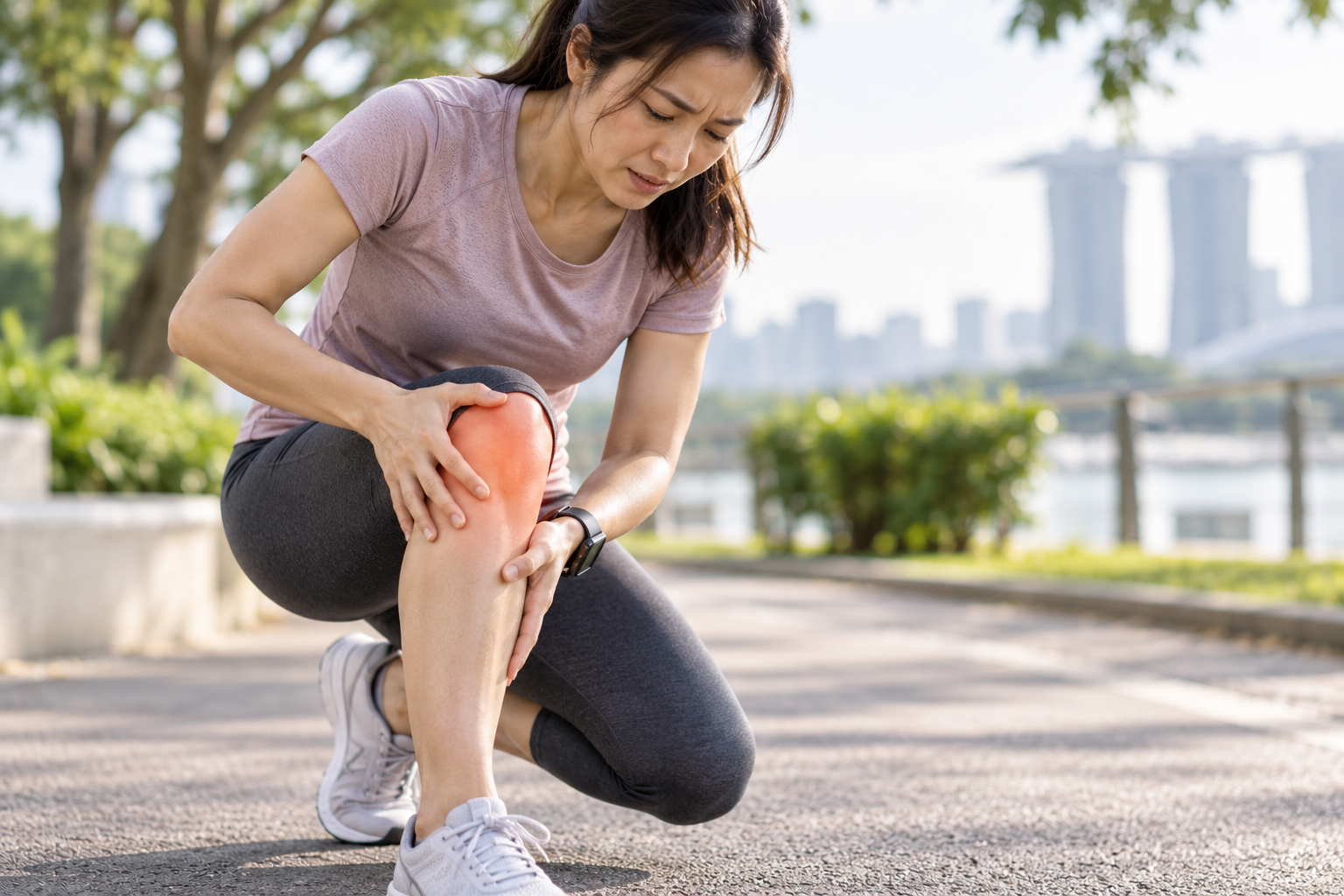
Have you ever woken up and felt like your knees, hips, shoulders or fingers need a little time before they start moving comfortably?
Occasional stiffness can happen after sleeping, sitting for a long time, exercising more than usual or simply staying in one position for too long. However, persistent joint stiffness—especially when accompanied by pain, swelling or reduced mobility—may have a number of possible causes.
Joint stiffness can affect how comfortably you move through your day, whether it happens when you first wake up, after sitting for long periods or during physical activity. Understanding the possible causes can help you take a more proactive approach to maintaining healthy joints and staying mobile.
At NATRAHEA, we believe joint health is about more than addressing discomfort when it appears. Everyday movement, physical activity, maintaining a healthy body weight and adequate nutrition can all form part of a broader approach to supporting musculoskeletal health.
In this article, we explore the common causes of joint stiffness, why stiffness may be more noticeable in the morning or as you get older, practical ways to support joint stiffness and mobility, and how nutritional support such as collagen may fit into a joint-health routine.
Important: Joint stiffness is a symptom rather than a diagnosis. Persistent or worsening stiffness, particularly when associated with swelling, redness, heat, fever, significant injury or loss of function, should be assessed by an appropriate healthcare professional.
What Is Joint Stiffness?
Joint stiffness refers to difficulty or discomfort when moving a joint through its usual range of motion.
You may notice stiffness as:
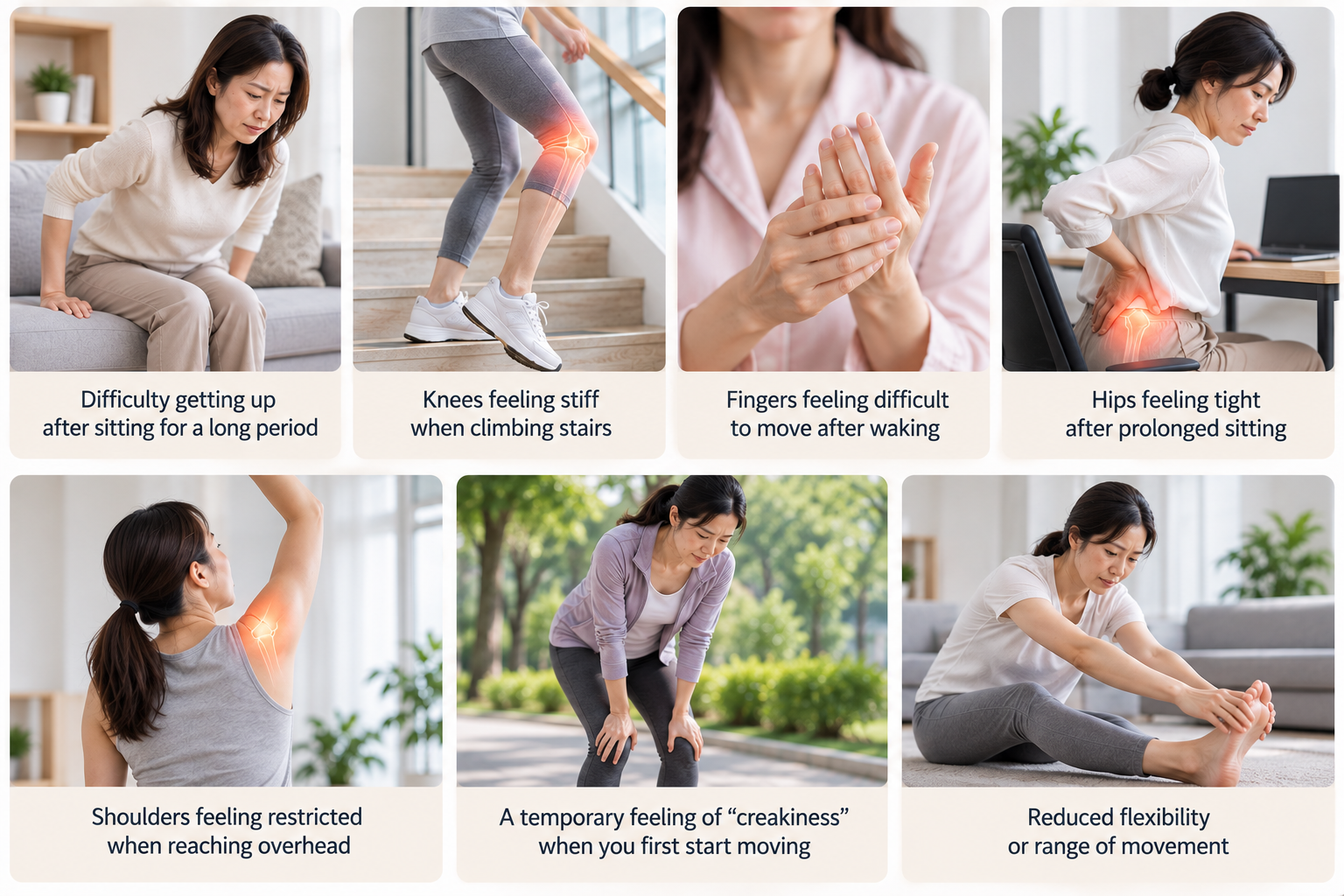
Stiffness can occur by itself or together with joint pain and stiffness, swelling or tenderness.
Importantly, stiffness does not automatically mean that you have arthritis. There are many potential explanations, ranging from temporary inactivity to previous injuries and different types of joint conditions.
HealthHub Singapore notes that joint stiffness and pain are non-specific symptoms and may occur with conditions such as osteoarthritis, gout, meniscus injuries and tendon problems, among others.
Why Are My Joints Stiff?
If you are wondering, “Why are my joints stiff?”, there is no single answer.
Some common factors include:
1. Staying in One Position for Too Long
Long periods of sitting or inactivity can make your joints feel stiff when you finally start moving.
This can happen after:

The stiffness may improve once you start moving gently.
For office workers in Singapore, this is particularly relevant if much of the working day is spent seated. Regular movement breaks can help prevent prolonged inactivity from becoming part of your daily routine.
2. Age-Related Changes
Joint stiffness as you age is relatively common, but getting older does not mean that stiffness should simply be ignored.
As we age, changes can occur in cartilage, muscles, tendons and other tissues involved in movement. Previous injuries and accumulated physical stress can also contribute to joint problems.
Osteoarthritis, for example, becomes more common with age and can cause pain, stiffness, swelling and reduced range of motion. HealthHub Singapore identifies increasing age, previous injuries, excess weight and certain physical activities as factors associated with knee osteoarthritis.
This is one reason maintaining mobility and muscle strength becomes increasingly important over the years.
3. Osteoarthritis
Osteoarthritis (OA) is one of the more common causes of persistent joint symptoms.
It can affect joints such as the:
- Knees
- Hips
- Hands
- Spine
- Other weight-bearing or frequently used joints
In knee osteoarthritis, changes to the cartilage and other joint structures can contribute to pain, stiffness and reduced movement.
Morning stiffness can occur, although symptoms may also become more noticeable after periods of inactivity or during activities that place stress on the affected joint.
Importantly, not every stiff joint is caused by osteoarthritis. A healthcare professional may need to assess your symptoms, medical history and physical condition to determine the likely cause.
4. Previous Injuries
An old injury can sometimes continue to affect how a joint moves.
Previous ligament injuries, fractures, meniscus injuries or other forms of trauma may increase the likelihood of developing joint problems later on.
Even after an injury appears to have healed, weakness, altered movement patterns or changes within the joint may affect mobility.
If stiffness develops after an injury or continues long after an injury, professional assessment can help determine whether further evaluation is appropriate.
5. Inflammatory Joint Conditions
Some types of arthritis involve inflammation within or around the joints.
Examples include rheumatoid arthritis and gout.
These conditions can have different patterns from typical age-related joint changes. For example, a joint affected by gout may suddenly become painful, swollen, red and warm.
Rheumatoid arthritis can cause joint pain and stiffness and may affect multiple joints.
This is why persistent stiffness should not automatically be attributed to “wear and tear”.
6. Physical Overuse or Sudden Changes in Activity
Your joints may also feel stiff after doing more physical activity than your body is accustomed to.
For example, stiffness may occur after:
- Starting a new exercise programme
- Increasing running mileage
- Long hikes
- Repeated squatting
- High-impact sports
- Heavy lifting
- Repetitive movements
Gradually increasing activity levels can give your muscles, tendons and joints time to adapt.
If pain or stiffness is significant or continues despite reducing the activity, consider seeking professional advice.
What Does Morning Joint Stiffness Mean?
Morning joint stiffness is a common concern, but the duration and accompanying symptoms matter.
Some people experience mild stiffness when they first get out of bed that improves after moving around. Others may experience stiffness that lasts considerably longer and is associated with swelling or significant pain.
The pattern can provide useful information, but it should not be used to self-diagnose a condition.
HealthHub Singapore recommends seeking medical attention for knee stiffness in the morning that lasts more than 30 minutes, particularly when it is persistent or associated with other symptoms.
If your morning stiffness is:
- Becoming more frequent
- Lasting longer
- Affecting several joints
- Accompanied by swelling
- Associated with significant pain
- Limiting your normal activities
It is worth discussing your symptoms with a healthcare professional.
Joint Stiffness and Mobility: Why Movement Matters
When your joints feel stiff, it can be tempting to move less.
However, avoiding movement altogether can sometimes create a cycle in which reduced activity contributes to weaker muscles and poorer mobility.
Maintaining appropriate physical activity can help support joint function, muscle strength and overall mobility.
HealthHub’s healthy ageing resources include exercises designed to improve strength and mobility, with some beginner workouts specifically intended to help reduce joint stiffness.
Low-Impact Exercise

If your joints are sensitive, lower-impact activities may be more comfortable than high-impact exercise.
Depending on your individual condition and fitness level, options may include:
- Walking
- Swimming
- Water-based exercise
- Cycling
- Gentle mobility exercises
- Strength training with appropriate guidance
The right activity depends on the individual.
If you already have significant joint pain or a diagnosed joint condition, consider getting professional advice before substantially changing your exercise routine.
Strength Training

Strong muscles help support movement and everyday physical function.
For example, strengthening the muscles around the hips and knees can be particularly relevant to lower-limb mobility.
Strength exercises should be introduced progressively and performed with appropriate technique.
Gentle Stretching and Mobility Exercises

Gentle stretching can help maintain flexibility and range of motion.
Instead of forcing a stiff joint into a deep stretch, focus on controlled movements within a comfortable range.
The goal is to keep moving—not to push through significant pain.
How to Relieve Joint Stiffness
If you are looking for how to relieve joint stiffness, the most appropriate approach depends on what is causing it.
For occasional stiffness, some people may find the following habits useful:
Keep Moving Throughout the Day
Avoid sitting in the same position for prolonged periods.
If you work at a desk, consider taking regular movement breaks. A short walk, gentle mobility exercises or simply changing position can help you avoid remaining stationary for hours at a time.
Build Physical Activity Gradually
If you are starting or restarting exercise, avoid increasing intensity too quickly.
Gradual progression can reduce unnecessary strain and give your body time to adapt.
Maintain a Healthy Body Weight
Body weight can influence the mechanical load placed on weight-bearing joints such as the knees.
For people who are overweight, gradual and sustainable weight management may form part of a broader strategy for supporting joint health.
Prioritise Muscle Strength
Maintaining strength is important for mobility and everyday function.
A balanced programme can include strengthening, flexibility, balance and aerobic activities according to your abilities and health needs.
Pay Attention to Your Symptoms
A little temporary discomfort after unfamiliar exercise can be different from persistent or worsening joint pain.
If an activity consistently causes significant pain, swelling or loss of movement, do not simply push through it.
Consider Professional Assessment
If stiffness keeps returning or begins interfering with everyday activities, professional assessment may help identify possible contributing factors.
This is particularly important when symptoms follow an injury or occur together with swelling, warmth, redness or significant pain.
Can Nutrition Support Joint Health?

Movement is only one part of maintaining musculoskeletal health.
Adequate nutrition provides the body with the nutrients it needs to support normal tissues and overall health. A balanced diet containing sufficient protein, vegetables, fruits, whole grains and other nutrient-dense foods can form the foundation of good nutrition.
Collagen is one nutritional area that has attracted attention in relation to joint health.
Collagen is a major structural protein found in connective tissues, including cartilage, tendons, ligaments and bone.
Research has investigated whether oral collagen or collagen peptides may provide additional nutritional support for people concerned about joint health.
The evidence is promising but should be interpreted carefully. A systematic review published in 2025 examining type I hydrolysed collagen found potentially beneficial outcomes in studies of joint health, including pain reduction and improvements in some measures of physical function. However, the researchers also highlighted differences between studies that limit how broadly the findings can be applied.
Similarly, a 2024 meta-analysis of randomised controlled trials found that collagen derivatives were associated with small-to-moderate improvements in pain and function among people with osteoarthritis, while noting that research quality and study characteristics remain important considerations.
In other words, collagen should be viewed as nutritional support—not a replacement for appropriate medical care, exercise or treatment when these are needed.
NATRAHEA Super Joint Collagen as Nutritional Support

For individuals looking to include collagen as part of their daily joint-health routine, NATRAHEA Super Joint Collagen is one option to consider.
At NATRAHEA, we position Super Joint Collagen as a nutritional support product for individuals who want to be more proactive about their joint-health routine.
It is important to distinguish nutritional supplementation from medical treatment.
Super Joint Collagen should not be presented as a treatment for arthritis, a cure for joint pain or a guaranteed solution for joint stiffness. The effects of collagen supplementation can vary between individuals, and nutritional supplements should complement—not replace—appropriate exercise, balanced nutrition and professional healthcare when required.
If you are taking medication, have a diagnosed medical condition, are pregnant or breastfeeding, or have specific dietary or allergy considerations, speak with an appropriate healthcare professional before introducing a new supplement.
Joint Health in Singapore: A Long-Term Approach
When thinking about joint health in Singapore, it is useful to look beyond occasional pain or stiffness.
Singapore’s increasingly active and ageing population means that maintaining mobility can become an important part of staying independent and participating in the activities you enjoy.
Rather than waiting until joint stiffness significantly limits your daily life, consider building healthy habits earlier.
A practical joint-health routine may include:
1. Stay active
Choose physical activities that you enjoy and can maintain consistently.
2. Strengthen your muscles
Include appropriate strength exercises to support movement and physical function.
3. Maintain flexibility
Use gentle mobility and stretching exercises to maintain a comfortable range of motion.
4. Manage your body weight
If appropriate, work towards a healthy and sustainable body weight to reduce unnecessary stress on weight-bearing joints.
5. Eat a balanced diet
Ensure your diet provides adequate protein and a broad range of nutrients.
6. Consider nutritional support
Collagen supplementation may be considered as one component of a broader approach to joint health.
7. Don't ignore persistent symptoms
Recurring stiffness, significant pain or swelling deserves appropriate attention rather than being dismissed as a normal part of ageing.
When Should You See a Doctor About Joint Stiffness?
Not every episode of stiffness requires medical attention. However, certain symptoms should not be ignored.
Consider seeking medical advice if you experience:
- Persistent or worsening joint stiffness
- Significant joint pain
- Joint swelling
- A joint that feels hot or appears red
- Morning stiffness lasting more than 30 minutes
- Stiffness affecting several joints
- Difficulty performing normal daily activities
- Reduced range of movement
- Symptoms following a significant injury
- Fever together with a painful or swollen joint
- Sudden severe pain or loss of functionHealthHub Singapore specifically advises early medical consultation for symptoms such as a hot and swollen knee, significant trauma limiting movement, morning stiffness lasting more than 30 minutes or rapidly worsening knee pain.
These symptoms do not necessarily indicate a serious condition, but they warrant appropriate assessment.
Frequently Asked Questions About Joint Stiffness
1. Why are my joints stiff when I wake up?
Morning stiffness can occur for several reasons, including remaining inactive during sleep, osteoarthritis and inflammatory joint conditions. Mild stiffness that improves relatively quickly with movement may have a different significance from prolonged stiffness accompanied by swelling or pain.
If morning stiffness consistently lasts more than 30 minutes or is accompanied by other concerning symptoms, consider seeking medical advice.
2. Is joint stiffness a normal part of ageing?
Joint stiffness can become more common as you age, but persistent stiffness should not automatically be considered inevitable.
Age is one factor associated with osteoarthritis, but previous injuries, body weight, activity levels, muscle strength and other health conditions can also influence joint health.
3. Can exercise help with joint stiffness?
Appropriate exercise can help support strength, flexibility and mobility, and certain exercises may help reduce stiffness.
Low-impact aerobic activity, strengthening and mobility exercises may be useful depending on your individual circumstances.
However, the appropriate exercise programme depends on the underlying cause of your symptoms.
4. Should I stop exercising if my joints feel stiff?
Not necessarily.
Mild stiffness does not automatically mean that you need to stop moving. In many situations, appropriate movement can be beneficial.
However, significant pain, swelling or worsening symptoms are reasons to modify your activity and consider professional assessment.
5. Can collagen help with joint stiffness?
Research suggests that collagen and collagen peptides may provide nutritional support for some aspects of joint health, with studies reporting potential improvements in pain, stiffness or physical function in certain populations.
However, results vary between studies, and collagen should not be considered a cure or substitute for medical treatment.
NATRAHEA Super Joint Collagen can be considered as part of a broader nutritional approach to joint health.
6. Is joint stiffness always caused by arthritis?
No.
Joint stiffness can have many possible causes, including prolonged inactivity, previous injuries, tendon problems, gout and inflammatory conditions, as well as osteoarthritis.
Because stiffness is a symptom rather than a diagnosis, persistent symptoms should be assessed rather than self-diagnosed.
7. How can I support joint health as I get older?
A long-term approach can include staying physically active, maintaining muscle strength, practising mobility and flexibility exercises, eating a balanced diet, maintaining a healthy body weight and addressing persistent symptoms early.
Nutritional support such as collagen may also be considered as part of an overall joint-health routine.
Conclusion: Take Joint Stiffness Seriously, Without Assuming the Worst
Joint stiffness can be frustrating, particularly when it starts affecting simple activities such as getting out of bed, climbing stairs, exercising or walking.
But stiffness does not have a single cause.
It may be related to prolonged inactivity, exercise, previous injuries, age-related changes or an underlying joint condition. Understanding the pattern of your symptoms can help you decide when simple lifestyle measures may be appropriate and when professional assessment is needed.
For long-term joint stiffness and mobility, staying active, maintaining muscle strength, managing body weight, eating well and paying attention to persistent symptoms are all important considerations.
Nutritional support can also form part of this approach. For those looking to add collagen to their routine, NATRAHEA Super Joint Collagen is an option to consider as part of a broader commitment to joint health.
Your joints help you move through everyday life. Supporting them is not about waiting until stiffness becomes a problem—it is about building sustainable habits that help you keep moving comfortably and confidently for years to come.
NATRAHEA — supporting a more active approach to everyday health and mobility.
This article is intended for general educational purposes and does not constitute medical advice, diagnosis or treatment. Individual symptoms can have different causes. If you experience persistent, severe or worsening joint pain or stiffness, consult a qualified healthcare professional.
References
- HealthHub Singapore — Joint Stiffness and Knee Pain
- HealthHub Singapore — Knee Osteoarthritis: Causes and Treatment Options
- HealthHub Singapore — Knee Pain
- HealthHub Singapore — Knee Pain: Finding Ease for Old Knees
- HealthHub Singapore — Healthy Ageing Workouts
- PubMed — 2025 systematic review of Type I hydrolysed collagen and musculoskeletal health
- PubMed — 2024 meta-analysis of collagen derivatives for osteoarthritis
- PubMed — Updated systematic review and meta-analysis of collagen supplementation for knee osteoarthritis
Testimonials

Our Patient Testimonials

*Staff here where all friendly and give you warm welcome, very accomodating and will notify you on the incoming schedule you make.
Thanks NATRAHEA Kovan🙏🙌🏻
NATRAHEA Clinic Locations in Singapore
Book Neck Pain Treatment Appointment
If you’ve been neglecting dull pain for some time now or have a strong sense that your body is imbalanced, don’t sit on it.
You deserve to be comfortable all the time.
- Valid for first-time customers or customers who have not visited NATRAHEA for the past 6 months.
- Date and Time selections are only tentative, on a first-come-first-serve basis. A member of our team will be in touch with you to confirm your selections or advise an alternative appointment subject to availability.
- Only valid for Singaporeans, PR, LTVP or Work Pass Holders. Not available for tourists.
- You may select a tentative appointment date at the payment page. Appointments are on a first-come-first-serve basis. Our customer service team will be in touch within the day to confirm your appointment date.
- Muscle work will only be done if clinically allowed and recommended by our Circle of Healing specialist. Please bring along your past X-ray if you have any pre-existing condition.
- X-Ray may be recommended by the Circle of Healing specialist if condition is assessed to require one before performing any treatment.
- Do bring along any health referrals forms, relevant medical reports (X-rays, MRI, etc) for your first visit. Alternatively, you can reply to the order confirmation email with the reports prior to your first appointment.
- In case you run into difficulties making online payment, feel free to contact us via Whatsapp at 81386088
Awards & Features


