
Bone Health for Women Over 40: Lifestyle, Nutrition and Movement
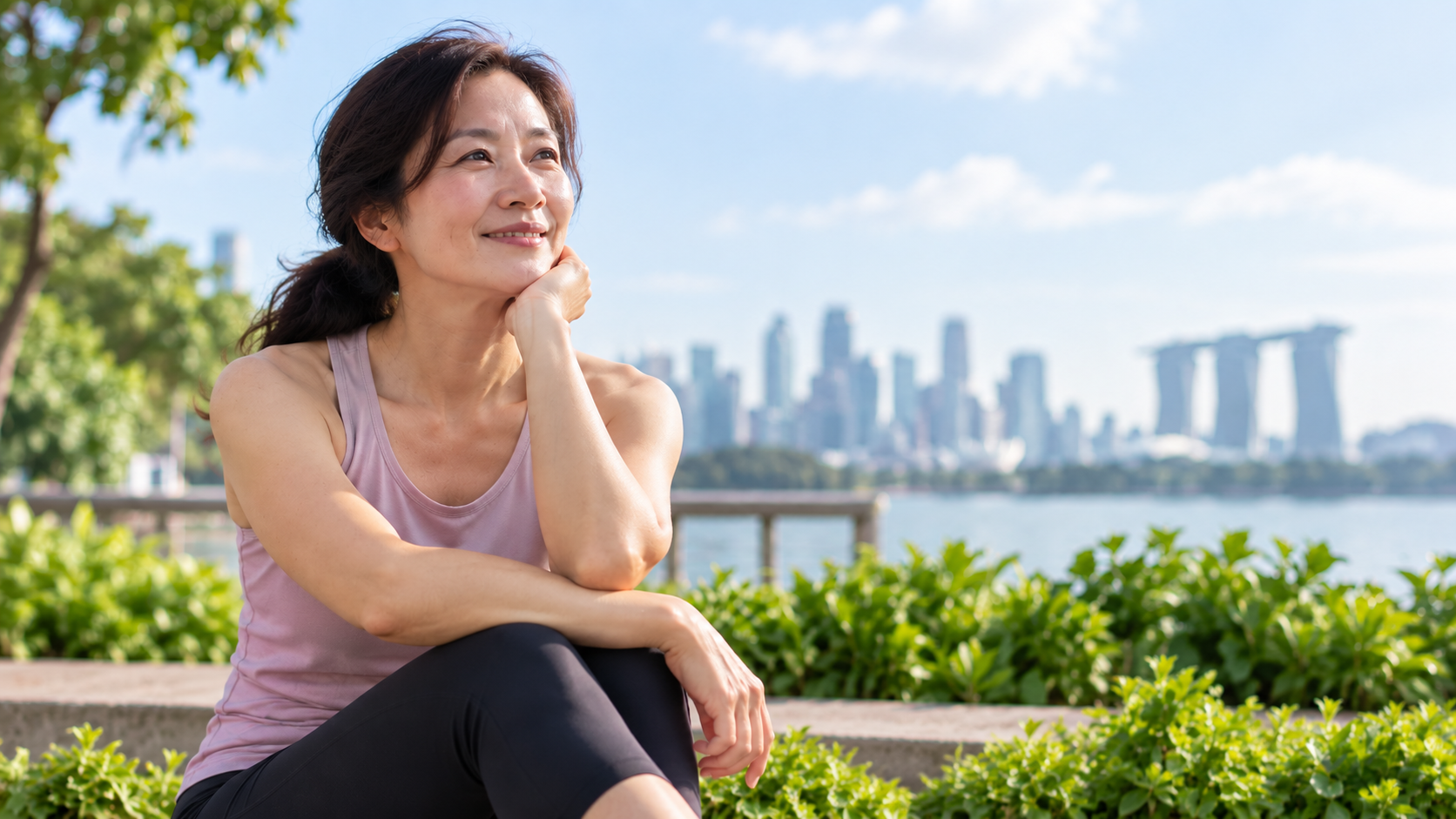
Turning 40 can be an important point to reassess your long-term health — and bone health for women over 40 deserves more attention than it often receives.
Bones may feel solid and permanent, but they are living tissue that continually changes throughout life. While bone mass is largely built earlier in life, bone loss gradually becomes more important with age. For women, the transition towards menopause can be particularly significant because declining oestrogen levels are associated with increased bone loss.
The good news is that your 40s are not “too late” to start paying attention.
A combination of regular movement, strength training, adequate calcium and vitamin D, a balanced diet, healthy lifestyle habits and appropriate health screening can all form part of a long-term approach to maintaining healthy bones.
At NATRAHEA, we believe that looking after your musculoskeletal health should be part of everyday wellness — not something to think about only after pain, weakness or a fracture occurs.
Important: This article provides general health information and is not intended to diagnose, treat or prevent osteoporosis or any other medical condition. If you have risk factors for osteoporosis, persistent pain, a history of fractures or concerns related to menopause, speak with a qualified healthcare professional.
Menopause and Bone Health: Why the 40s Matter
For many women, their 40s may overlap with perimenopause — the period leading up to menopause.
During the menopause transition, ovarian hormone production changes and eventually declines. The reduction in oestrogen is associated with increased bone turnover and can contribute to bone loss.
KKH’s 2026 Singapore menopause guidelines specifically recognise bone health as an important aspect of menopause management. The guidelines state that menopause increases the risk of weak bones and fractures because oestrogen levels fall, and recommend lifestyle optimisation, adequate calcium and vitamin D, and appropriate assessment of bone health risk. (KK Women’s and Children’s Hospital)
This is why menopause and bone health should be considered together rather than as completely separate topics.
What about bone health during perimenopause?
Perimenopause does not mean that osteoporosis is inevitable.
However, it can be a useful period to become more intentional about your lifestyle.
Think about it as an opportunity to:
- Review your dietary calcium intake
- Make sure you are getting adequate vitamin D
- Include regular weight-bearing activity
- Incorporate resistance or strength training
- Maintain healthy muscle mass
- Avoid smoking
- Keep alcohol intake moderate
- Maintain a healthy body weight
- Discuss individual risk factors with your healthcare professional
Recent research into exercise during the menopause transition is still developing, and evidence is not yet sufficient to identify one single exercise programme as universally optimal. This is reflected in a recent review of exercise during the menopause transition published in PubMed.
The practical takeaway is not that every woman needs an intensive workout programme. It is that consistent, appropriately progressed physical activity should be part of the bigger picture.
How to Keep Bones Strong After 40
There is no single food, exercise or supplement that can replace a healthy lifestyle.
Instead, consider several complementary areas.
1. Get Enough Calcium From Your Diet
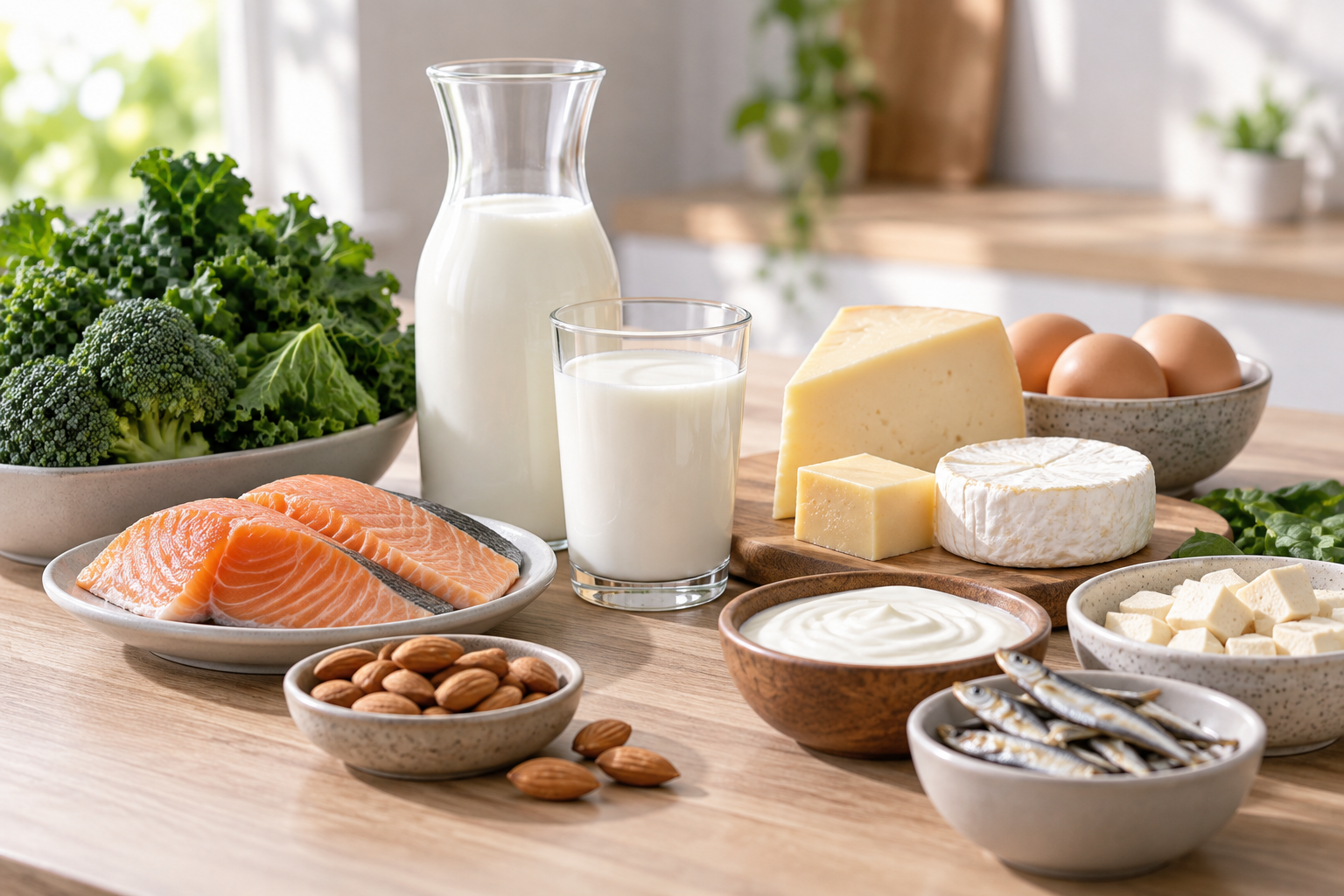
Calcium is an essential mineral for maintaining normal bone structure and function.
HealthHub recommends obtaining calcium through a varied diet, with sources including dairy products, fish with edible bones, tofu made with calcium salts, lentils, dark green vegetables and calcium-fortified foods. (HealthHub)
Examples of calcium-containing foods commonly available in Singapore include:
- Milk
- Yoghurt
- Cheese
- Calcium-fortified soy milk
- Tofu
- Tau kwa
- Sardines with edible bones
- Ikan bilis
- Kailan
- Chye sim
- Broccoli
- Other calcium-rich foods
The goal is not simply to take a calcium supplement automatically. Ideally, assess your overall diet first.
If you consistently struggle to meet your calcium requirements through food, speak with a healthcare professional about whether supplementation may be appropriate for you.
Why calcium alone is not enough
Calcium is one piece of the puzzle.
Vitamin D is also important because it helps the body absorb calcium. KKH recommends adequate calcium and vitamin D as part of maintaining bone health, particularly after menopause. (KK Women’s and Children’s Hospital)
2. Pay Attention to Vitamin D
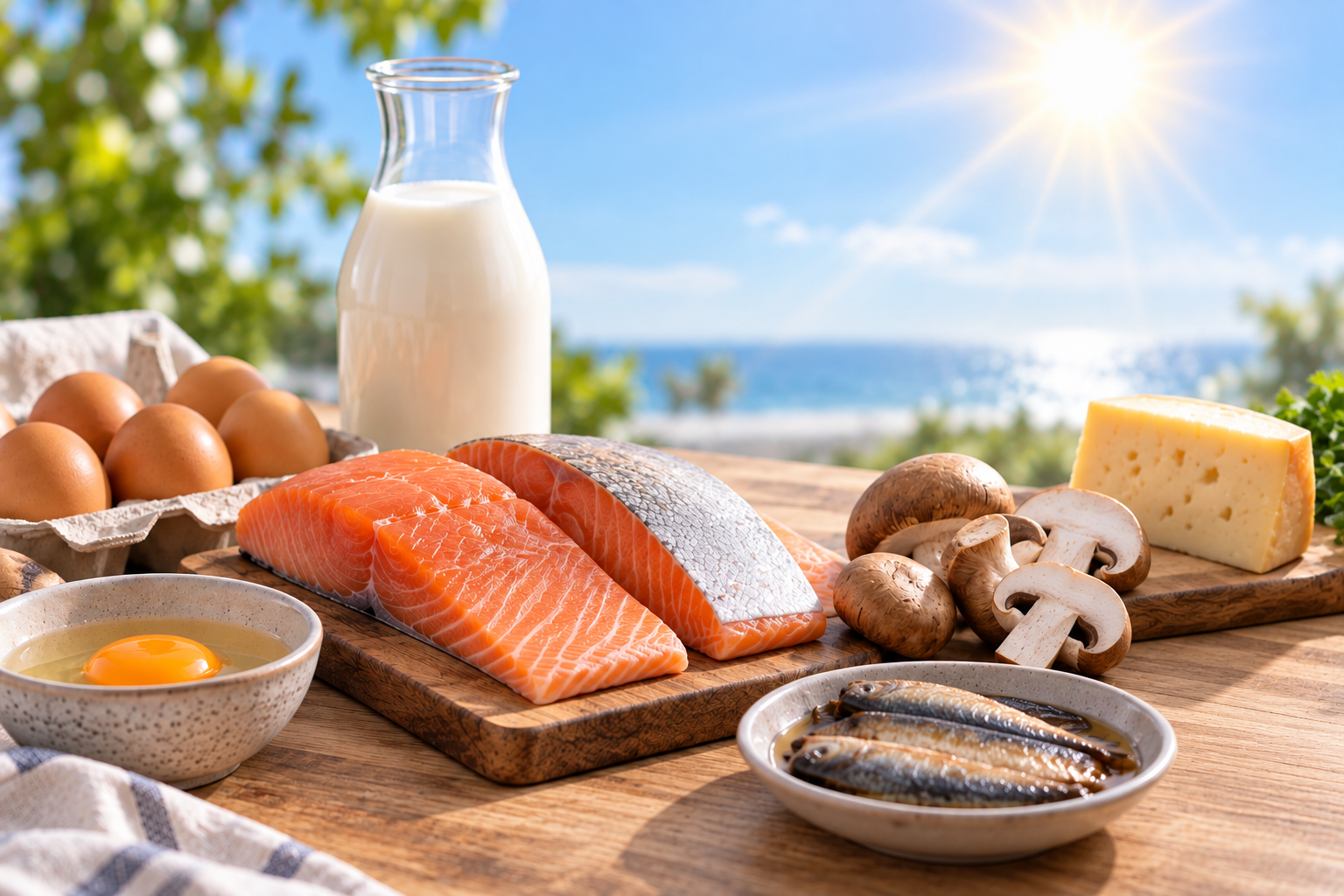
Vitamin D plays an important role in calcium absorption and bone health.
In Singapore, sunlight is available year-round, although factors such as lifestyle, clothing, sun avoidance and individual circumstances can affect vitamin D status.
KKH notes that sensible sun exposure can contribute to vitamin D production, while also emphasising the importance of avoiding excessive sun exposure. (KK Women’s and Children’s Hospital)
Food sources can also contribute, including:
- Oily fish
- Eggs
- Fortified dairy products
- Fortified foods
Whether you need additional vitamin D depends on factors including your dietary intake, sun exposure and individual health circumstances.
3. Include Weight-Bearing Exercise

Weight-bearing exercises for bone health are activities where your body works against gravity while supporting your own weight.
Examples include:
- Brisk walking
- Jogging, where appropriate
- Stair climbing
- Dancing
- Hiking
- Certain forms of aerobic exercise
KKH specifically identifies walking, jogging and climbing as examples of weight-bearing activity that can help support bone health. (KK Women’s and Children’s Hospital)
For women over 40, the important point is consistency.
You do not necessarily need to begin with high-impact exercise. If you are new to exercise, start at an appropriate level and gradually increase the challenge according to your fitness, mobility and health status.
4. Add Strength Training to Your Routine
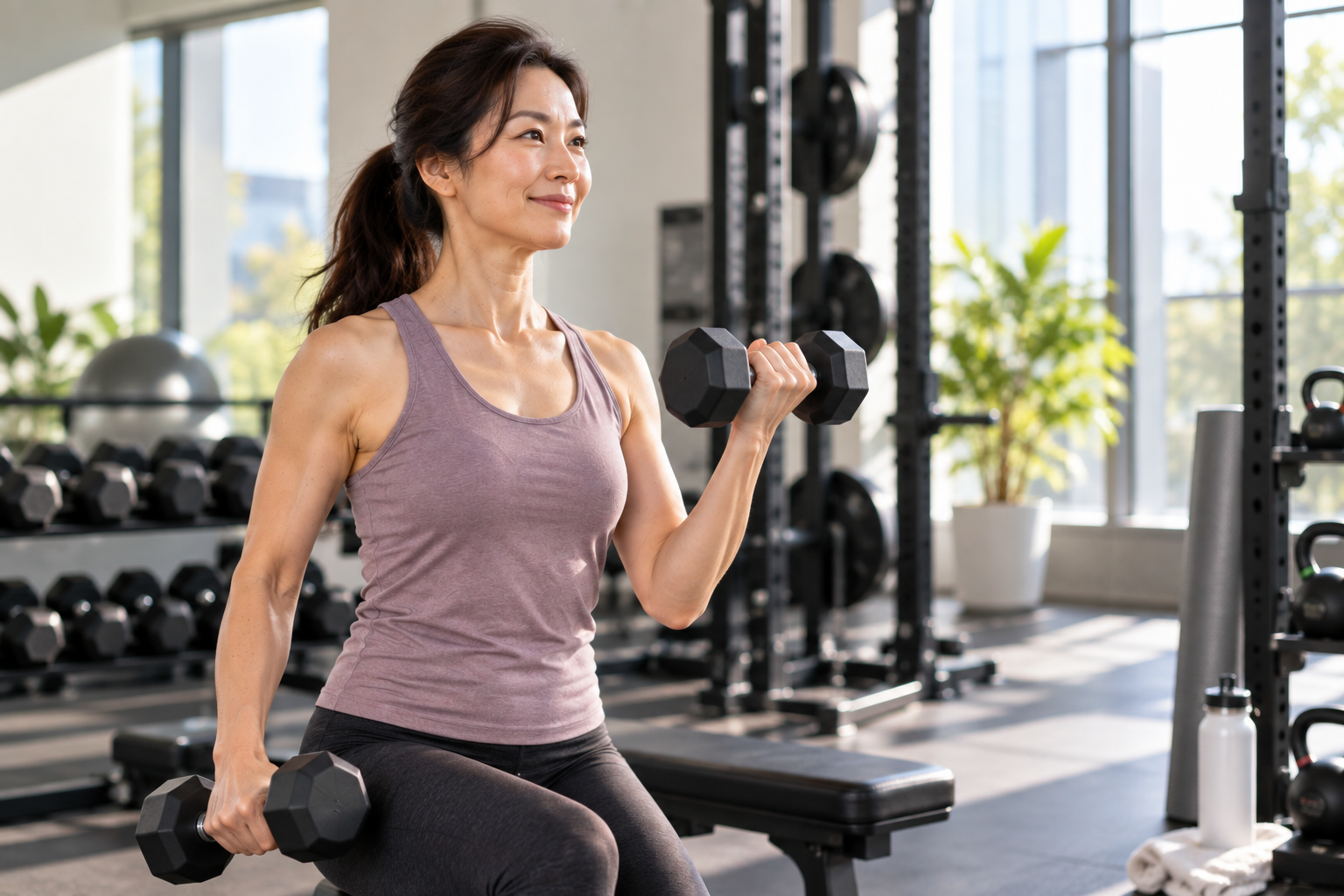
Walking is useful, but strength training for women over 40 deserves particular attention.
Resistance exercise challenges your muscles and places mechanical load on the skeleton. Research in postmenopausal women has found that resistance training can have beneficial effects on bone mineral density, although results vary depending on the training programme and study population. (PubMed)
Strength training may include:
- Squats
- Step-ups
- Lunges
- Resistance-band exercises
- Free weights
- Machine-based resistance exercises
- Bodyweight exercises
The appropriate exercises, resistance and progression depend on your current fitness level and health.
You don’t have to lift extremely heavy weights
One common misconception is that strength training only counts if you are lifting very heavy weights.
That is not necessarily the case.
A well-designed programme can begin with bodyweight or relatively light resistance and progress gradually.
For someone who has been inactive, the priority should generally be safe, sustainable progression rather than trying to achieve maximum intensity immediately.
A 2025 systematic review and meta-analysis found improvements in bone mineral density at several skeletal sites among postmenopausal women participating in resistance training, although the researchers also noted substantial variation between studies. (PubMed)
5. Don't Forget Balance and Mobility
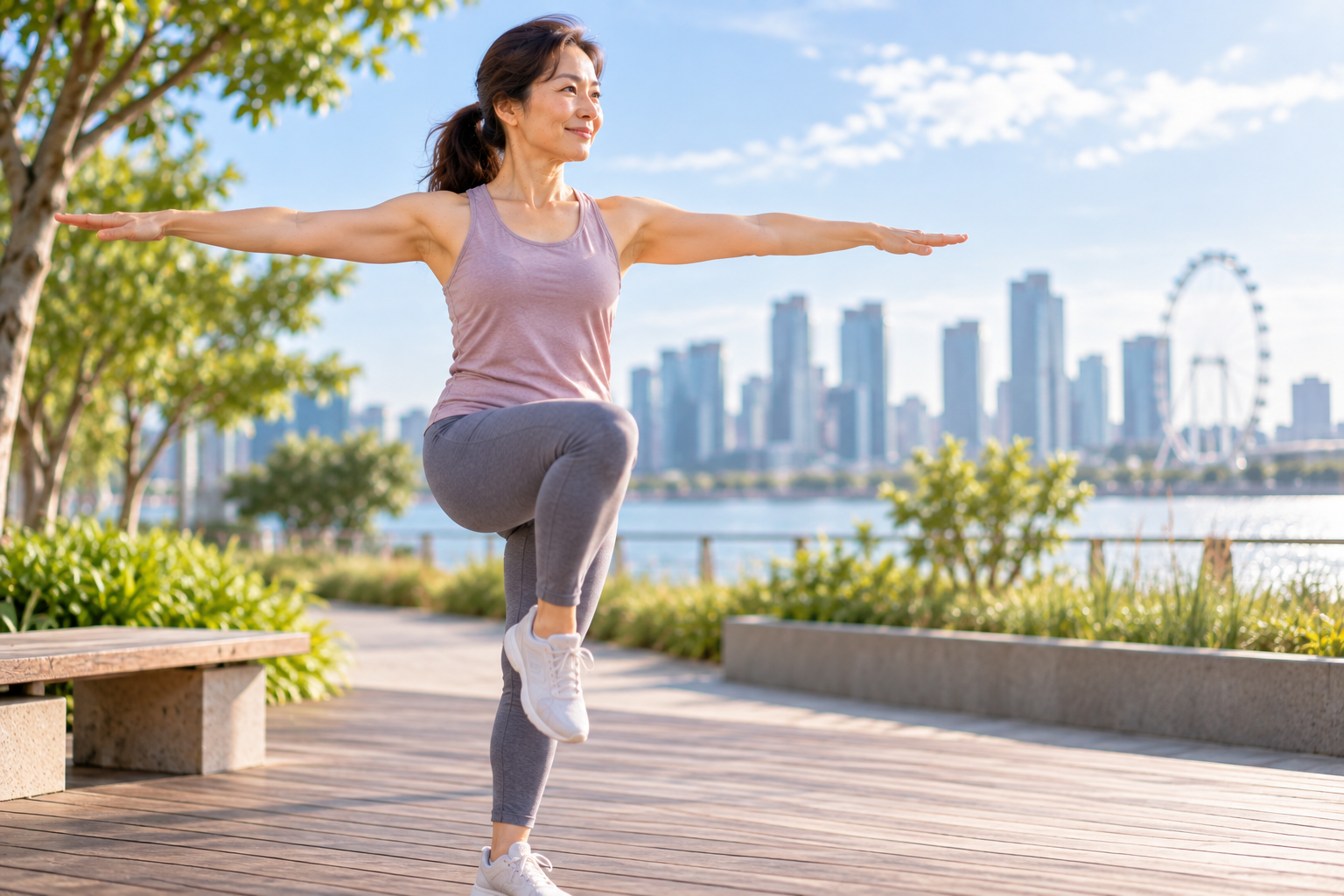
Bone health is not only about bone density.
Your ability to move confidently, maintain balance and perform everyday activities also matters.
Falls can result in fractures, particularly when bones have become weaker.
Therefore, a well-rounded movement programme can include:
Strength
To support muscle function and physical capacity.
Weight-bearing activity
To provide mechanical loading through movement.
Balance exercises
To support stability and confidence during movement.
Mobility work
To help maintain comfortable movement through appropriate ranges of motion.
Activities such as tai chi, controlled balance exercises and functional movement training may be incorporated depending on your needs and ability.
If you already have osteoporosis, a previous fracture or significant movement limitations, exercise selection should be discussed with an appropriately qualified healthcare professional.
6. Eat Enough Protein
When talking about nutrition for women’s bone health, it is easy to focus exclusively on calcium.
Protein deserves attention too.
Bone is not simply a mineral structure. It contains an organic matrix, much of which consists of collagen. Adequate protein intake also supports muscle maintenance, which is particularly relevant as women get older.
Good protein sources can include:
- Fish
- Eggs
- Lean meat
- Chicken
- Milk and yoghurt
- Soy products
- Tofu and tempeh
- Beans and lentils
- Nuts and seeds
A balanced diet that provides adequate protein, calcium, vitamin D and other nutrients can support overall musculoskeletal health.
7. What About Collagen for Bone Health?
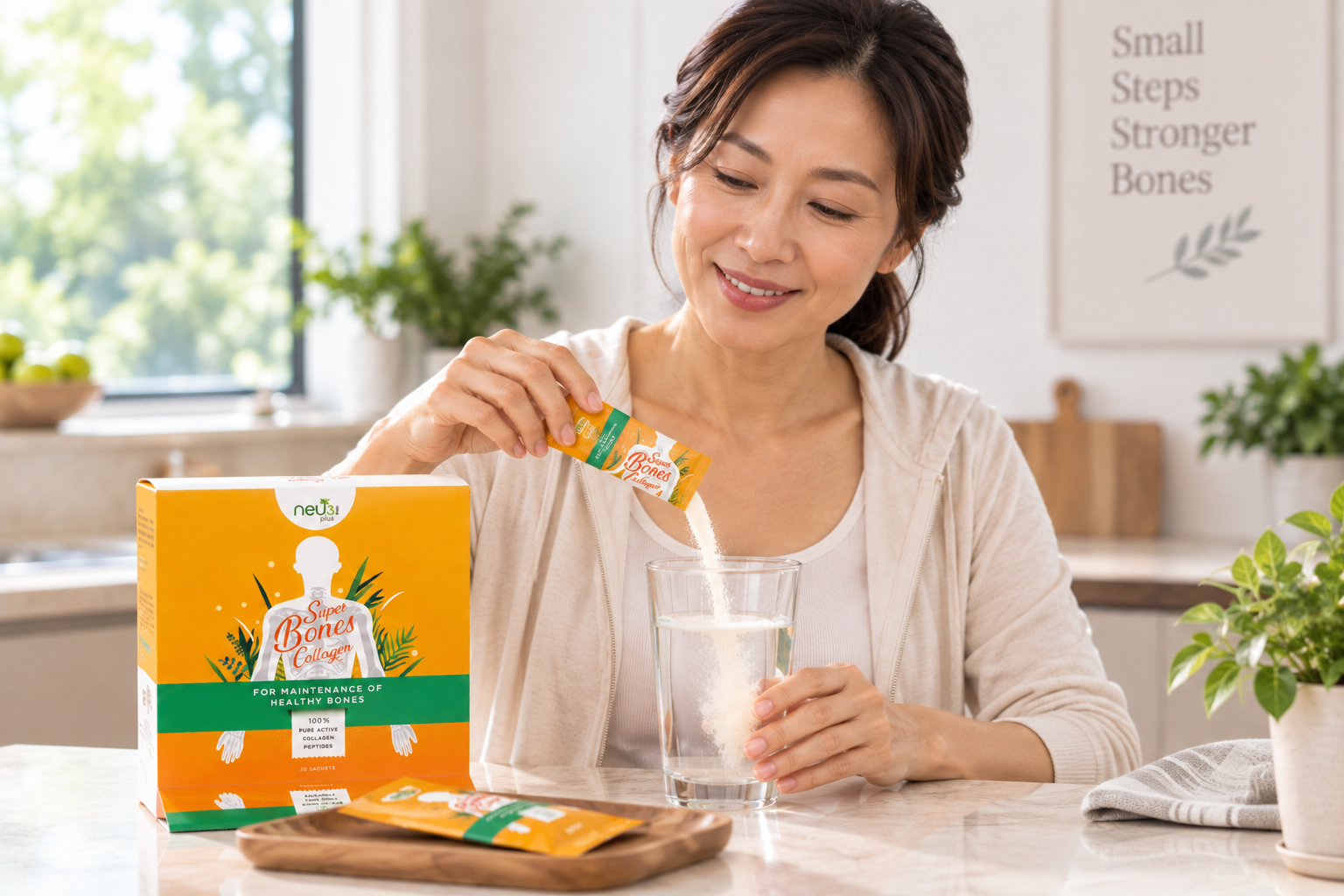
Collagen is increasingly discussed as part of healthy ageing, particularly when it comes to maintaining healthy bones, joints and connective tissues.
Type I collagen is a major structural component of bone. This has led researchers to investigate whether consuming collagen peptides may have a role in supporting bone health, particularly among women after menopause.
Some research has produced encouraging findings. For example, a randomised controlled study involving postmenopausal women with age-related reductions in bone mineral density found that daily supplementation with specific collagen peptides for 12 months was associated with increases in bone mineral density at the spine and femoral neck compared with placebo. The findings were published in the Journal of Agricultural and Food Chemistry and are available through PubMed.
More recently, a meta-analysis examining collagen peptide supplementation reported associations with improvements in bone mineral density and bone turnover markers, although the researchers also noted considerable variation between the studies included. The findings are available through PubMed.
However, collagen should be viewed as one part of an overall bone-health strategy, rather than a replacement for adequate calcium and vitamin D, sufficient protein, regular physical activity or appropriate medical care. A 2025 systematic review of Type I hydrolysed collagen supplementation also concluded that the evidence specifically relating to bone health remains limited and heterogeneous, highlighting the need for further research. See the systematic review on PubMed.
Where Can Collagen Fit Into Your Routine?
For women over 40, maintaining bone and joint health is ultimately about taking a long-term, balanced approach. Nutrition, regular movement, strength training, adequate protein and healthy lifestyle habits all have a role to play.
Collagen supplementation can be considered as part of this broader nutritional approach. At NATRAHEA, our Super Bones & Super Joints collagen can be incorporated into a health-conscious routine alongside regular movement and a balanced diet.
It is important to keep expectations realistic. Collagen is not a substitute for calcium, vitamin D, exercise or professional medical advice, and supplementation should not be viewed as a treatment for osteoporosis or other bone conditions.
For women who want to stay active and support their overall musculoskeletal health, nutrition is only one piece of the picture. You can also explore NATRAHEA’s Chiropractic Services as part of a broader approach to movement, posture and physical wellbeing.
8. Maintain a Healthy Lifestyle
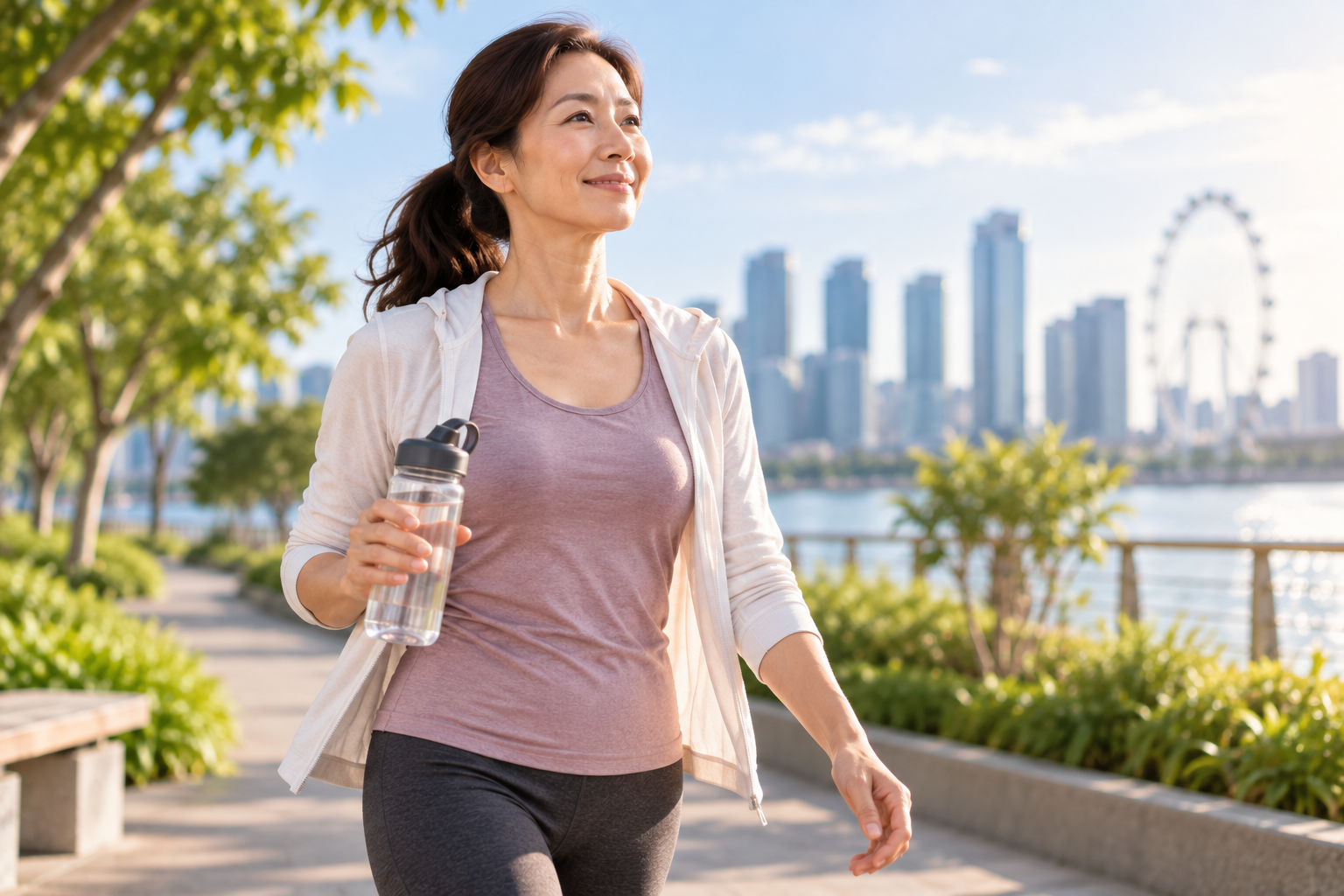
Several everyday habits can influence long-term bone health.
HealthHub recommends regular exercise, sufficient calcium and vitamin D, and reducing risk factors such as smoking and excessive alcohol consumption. (HealthHub)
Avoid smoking
Smoking is associated with poorer bone health and is a modifiable lifestyle risk factor.
If you smoke, seeking professional support to quit can benefit your overall health as well as your bones.
Keep alcohol intake moderate
Excessive alcohol consumption can negatively affect bone health and increase the risk of falls.
Avoid prolonged inactivity
Long periods of sitting are common among modern office workers.
Try incorporating movement throughout the day:
- Walk during breaks
- Take the stairs when appropriate
- Stand and move regularly
- Walk for short errands when practical
- Break up long periods of sitting
Small amounts of movement may be easier to maintain than trying to compensate for an otherwise sedentary week with one intense workout.
Bone Density in Women: Should You Get Tested?
One of the challenges with declining bone density is that it can happen without obvious symptoms.
You may not know that your bone density is low until a fracture occurs.
A Bone Mineral Density (BMD) test can measure bone density and help assess fracture risk. HealthHub notes that BMD screening is recommended for people who are at risk of osteoporosis, with MOH recommendations supporting screening for high-risk women. (HealthHub)
KKH similarly recommends discussing BMD testing with a doctor for women at high risk of osteoporosis. (KK Women’s and Children’s Hospital)
Who may need particular attention?
Risk can be influenced by factors such as:
- Menopause
- Early menopause
- Previous fractures
- Low body weight
- Family history
- Smoking
- High alcohol consumption
- Certain medications
- Certain medical conditions
- Prolonged menstrual irregularity or loss of periods
HealthHub specifically highlights previous fractures, menopause before age 45 and prolonged absence of menstrual periods among factors associated with increased osteoporosis risk. (HealthHub)
If any of these apply to you, it may be worth discussing your individual risk with your doctor.
A Simple Bone Health Routine for Women Over 40
You do not need to overhaul your entire lifestyle overnight. The most sustainable approach is to build a few bone-friendly habits into your normal week.
Here is a simple framework you can adapt to your lifestyle and individual needs:
| Area | Practical approach | Where NATRAHEA Can Fit In |
|---|---|---|
Weight-bearing activity | Walk regularly, take the stairs or include other appropriate weight-bearing activities in your week. | NATRAHEA Chiropractic Services can complement an active lifestyle by supporting overall movement, mobility and physical wellbeing |
Strength training | Include resistance exercises several times a week according to your ability and fitness level. | If you are returning to exercise or adjusting your routine, professional guidance can help you approach movement appropriately for your individual needs. |
Balance & mobility | Include balance-focused activities and mobility exercises to keep movement varied and functional. | Chiropractic care can be part of a broader approach to maintaining comfortable, active movement as your body changes with age. |
Calcium | Include calcium-rich foods such as dairy products, calcium-set tofu, leafy greens and other suitable dietary sources throughout the day. | Think of supplementation as an addition to, rather than a replacement for, a balanced diet. |
Vitamin D | Obtain vitamin D through appropriate sun exposure and dietary sources; supplementation may be considered when advised by a healthcare professional. | Make vitamin D part of your overall nutritional routine rather than relying on a single supplement or product. |
Protein | Include a quality protein source in your meals to support overall nutrition and healthy ageing. | NATRAHEA Super Bones & Super Joints can be incorporated into a broader nutrition-focused routine for individuals who choose to include collagen supplementation |
Daily movement | Break up long periods of sitting by standing, walking and changing positions regularly throughout the day. | This pairs naturally with NATRAHEA’s focus on helping individuals stay active and maintain healthy movement habits. |
Posture & movement habits | Pay attention to how you sit, stand, work and move throughout the day. | NATRAHEA Chiropractic Services may be relevant for individuals looking for professional support around posture and musculoskeletal movement. |
Movement-related discomfort | If pain or discomfort is affecting your ability to exercise, do not simply push through it. Consider getting an appropriate assessment. | NATRAHEA Physiotherapy, available at our Tiong Bahru outlet, can be considered when professional support is needed for movement-related concerns. |
Lifestyle | Avoid smoking and limit excessive alcohol, both of which can negatively affect bone health. | Healthy bones are part of a bigger healthy-ageing picture — nutrition, movement and lifestyle habits all work together. |
Health screening | Discuss your osteoporosis risk and whether BMD testing is appropriate with your doctor, particularly if you have relevant risk factors. | NATRAHEA services complement — but do not replace — medical assessment or osteoporosis screening. |
Making Bone Health Part of Your Everyday Routine
The goal is not to create a complicated fitness or supplement programme. Instead, think about how small, consistent habits can work together.
A typical week might involve regular walking or other weight-bearing activities, two or more strength-training sessions, balance and mobility work, calcium- and protein-rich meals, appropriate vitamin D intake and plenty of everyday movement.
For women who want additional support in maintaining an active lifestyle, NATRAHEA’s [Chiropractic Services](NATRAHEA CHIROPRACTIC URL) can form part of a broader approach to movement, posture and musculoskeletal wellbeing. And for those who choose to include collagen in their nutritional routine, [Super Bones & Super Joints](NATRAHEA PRODUCT URL) can be incorporated alongside a balanced diet and healthy lifestyle.
If movement has become uncomfortable or you are finding it difficult to return to exercise, [NATRAHEA Physiotherapy](NATRAHEA PHYSIOTHERAPY URL) at our Tiong Bahru outlet is another option to consider for appropriate movement support.
The important thing is to choose activities and habits that are appropriate for your current ability, consistent enough to maintain and sustainable over the long term.
What If Exercise Causes Pain?
Pain should not simply be ignored because you are trying to become more active.
If you experience persistent pain, significant stiffness, weakness, difficulty with movement or a noticeable change in physical function, consider seeking professional assessment.
At NATRAHEA, we recognise that movement and musculoskeletal health are closely connected. For individuals who need professional support with movement, rehabilitation or physical function, appropriate assessment can help determine what type of exercise or physical activity is suitable.
For specific conditions or symptoms, always seek assessment from an appropriately qualified healthcare professional rather than assuming that exercise or supplementation alone is sufficient.
Bone Health After 40: A Long-Term Investment
Your 40s can be an important time to establish habits that support your musculoskeletal health for the decades ahead.
Bone health for women over 40 is not about finding one perfect supplement, one exercise or one dietary change.
It is about bringing several fundamentals together:
Move regularly.
Strengthen your muscles.
Include weight-bearing activity.
Eat enough calcium and protein.
Maintain adequate vitamin D.
Look after your overall health.
Understand your individual osteoporosis risk.
Menopause can make bone health more important, but it does not mean that women are powerless to influence their long-term health.
At NATRAHEA, we believe healthy ageing begins with taking action before a problem becomes limiting. Your bones support you every day — and giving them the nutrition, movement and attention they need is part of taking care of your future self.
Frequently Asked Questions
1. Is bone health important for women over 40?
Yes. Bone mass gradually declines after peak bone mass is reached, and the menopause transition can accelerate bone loss because of declining oestrogen. Maintaining an appropriate diet and active lifestyle can support bone health. (KK Women’s and Children’s Hospital)
2. How can I keep my bones strong after 40?
Focus on a combination of regular weight-bearing activity, strength training, adequate calcium and vitamin D, sufficient protein, healthy lifestyle habits and appropriate health screening based on your individual risk.
3. Does menopause affect bone health?
Yes. Declining oestrogen during and after menopause is associated with increased bone loss and a higher risk of osteoporosis and fractures. KKH’s Singapore menopause guidelines specifically recommend attention to bone health during menopause management. (KK Women’s and Children’s Hospital)
4. What are the best exercises for bone health after 40?
There is no single exercise that is appropriate for everyone. Weight-bearing activities such as walking and stair climbing, together with appropriately prescribed resistance training, can form part of a bone-health programme. (KK Women’s and Children’s Hospital)
5. Is strength training safe for women over 40?
For many healthy adults, appropriately designed strength training can be part of a healthy exercise routine. However, women with osteoporosis, previous fractures, significant pain or certain medical conditions may require individual exercise guidance from a qualified healthcare professional.
6. How much calcium do women need after 40?
Calcium requirements depend on age and individual circumstances. Rather than assuming that every woman needs the same supplement dose, consider your dietary intake and discuss your individual requirements with a healthcare professional. HealthHub provides Singapore-specific guidance on calcium intake and calcium-rich foods. (HealthHub)
7. Does collagen help bone health?
Some studies suggest that specific collagen peptides may be associated with improvements in bone mineral density and bone turnover markers, particularly in postmenopausal women. However, the evidence remains heterogeneous and collagen should not be regarded as a replacement for established osteoporosis management or a balanced diet. (PubMed)
8. Should women over 40 have a bone density test?
Not necessarily everyone at exactly age 40 needs a BMD test. Testing is generally considered according to individual risk. Women with risk factors for osteoporosis should discuss whether BMD testing is appropriate with their doctor. (HealthHub)
9. Can diet alone prevent osteoporosis?
Diet is an important component of bone health, but it is only one part of the picture. Physical activity, muscle strength, lifestyle factors, hormones, genetics, medications and underlying medical conditions can also influence bone health.
10. When should I speak to a doctor about my bone health?
Consider speaking with a healthcare professional if you have had a low-trauma fracture, experienced early menopause, have significant osteoporosis risk factors, have prolonged menstrual irregularity, take medications that may affect bone health, or are concerned about your bone density or fracture risk.
Conclusion
Bone health after 40 is about preparation, not panic.
For women entering their 40s and beyond, maintaining healthy bones means looking beyond calcium alone. Regular movement, strength training, weight-bearing activity, adequate nutrition, vitamin D, sufficient protein and healthy lifestyle choices can all contribute to a comprehensive approach to musculoskeletal health.
The menopause transition is also an important time to understand your individual risk and speak with your healthcare professional when appropriate.
At NATRAHEA, we encourage women to think about bone and musculoskeletal health as part of everyday healthy ageing — so that movement, strength and independence can remain part of life for years to come.
References
- HealthHub Singapore — Keeping Bones Strong With Exercise and Calcium-Rich Foods
- HealthHub Singapore — Daily Calcium Intake for Greater Bone Strength
- HealthHub Singapore — Women’s Health and Nutrition
- KK Women’s and Children’s Hospital — Bone Health
- KK Women’s and Children’s Hospital — Singapore Menopause Management Guidelines, 2026
- KK Women’s and Children’s Hospital — Menopause: Symptoms & Management
- PubMed — Resistance Training and Bone Mineral Density in Postmenopausal Women
- PubMed — Collagen Peptides and Bone Mineral Density in Postmenopausal Women
- PubMed — Meta-analysis of Collagen Peptide Supplementation and Bone Health
E-E-A-T / PHMC note: The article intentionally avoids diagnosing osteoporosis, prescribing supplement doses, presenting collagen as a treatment, or making treatment/outcome guarantees. It positions collagen as a potential nutritional adjunct while clearly stating that evidence remains evolving and that established medical care should not be replaced. The menopause section also reflects the current 2026 Singapore guidance from KKH rather than relying solely on older international sources. (KK Women’s and Children’s Hospital)
Testimonials

Our Patient Testimonials

*Staff here where all friendly and give you warm welcome, very accomodating and will notify you on the incoming schedule you make.
Thanks NATRAHEA Kovan🙏🙌🏻
NATRAHEA Clinic Locations in Singapore
Book Neck Pain Treatment Appointment
If you’ve been neglecting dull pain for some time now or have a strong sense that your body is imbalanced, don’t sit on it.
You deserve to be comfortable all the time.
- Valid for first-time customers or customers who have not visited NATRAHEA for the past 6 months.
- Date and Time selections are only tentative, on a first-come-first-serve basis. A member of our team will be in touch with you to confirm your selections or advise an alternative appointment subject to availability.
- Only valid for Singaporeans, PR, LTVP or Work Pass Holders. Not available for tourists.
- You may select a tentative appointment date at the payment page. Appointments are on a first-come-first-serve basis. Our customer service team will be in touch within the day to confirm your appointment date.
- Muscle work will only be done if clinically allowed and recommended by our Circle of Healing specialist. Please bring along your past X-ray if you have any pre-existing condition.
- X-Ray may be recommended by the Circle of Healing specialist if condition is assessed to require one before performing any treatment.
- Do bring along any health referrals forms, relevant medical reports (X-rays, MRI, etc) for your first visit. Alternatively, you can reply to the order confirmation email with the reports prior to your first appointment.
- In case you run into difficulties making online payment, feel free to contact us via Whatsapp at 81386088
Awards & Features


