
How to Maintain Strong Bones as You Age: A Guide to Better Bone Health
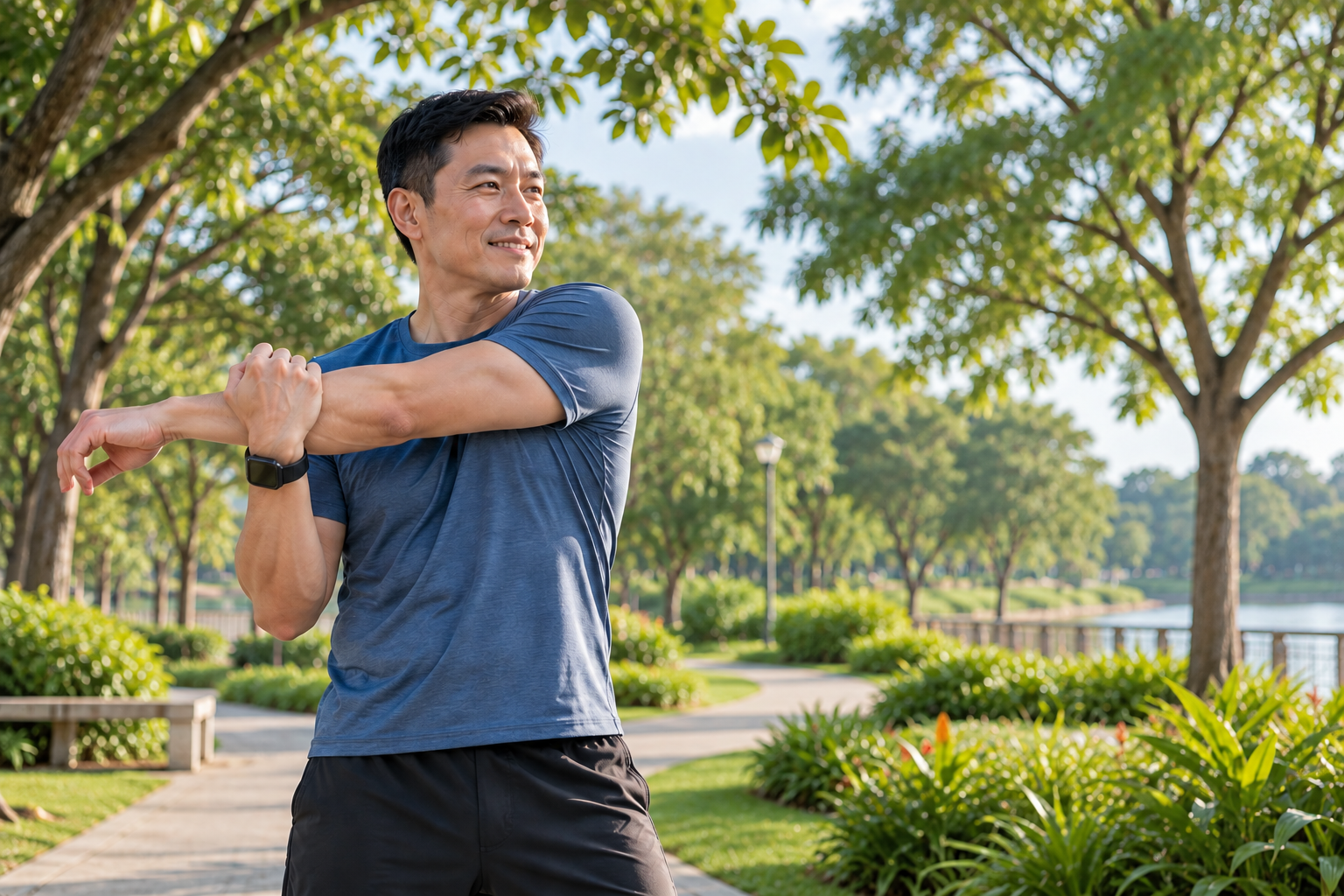
Maintaining strong bones is an important part of healthy ageing. As we get older, changes in bone mass, muscle strength, balance and activity levels can affect how well our bodies cope with everyday movement.
For people in Singapore, bone health is worth thinking about long before a fracture or bone-related problem occurs. Building and maintaining healthy bones is not dependent on a single nutrient or supplement. Instead, it involves a combination of adequate nutrition, regular physical activity, sufficient vitamin D, healthy body weight, good lifestyle habits and appropriate medical care when needed.
So, how can you improve bone health as you age? And where do calcium, vitamin D, exercise and collagen fit into a daily routine?
This guide explains the fundamentals of bone health in Singapore, including practical ways to support your bones through food, movement and lifestyle — as well as where a collagen supplement such as NATRAHEA’s Super Bones Collagen may fit into a broader bone-support routine.
Why Does Bone Health Matter as You Age?
Bone is living tissue. It is continuously being broken down and rebuilt as part of the body’s normal bone-remodelling process.
Bone mass generally reaches its peak by early adulthood. After that, bone mass can gradually decline with age. According to HealthHub’s guidance on calcium and bone strength, maintaining adequate calcium intake remains important as you age.
This becomes particularly relevant as people get older. In Singapore, the Ministry of Health’s latest osteoporosis data reported that approximately 16% of people aged over 70 had osteoporosis in 2023.
However, good bone health is not only about preventing osteoporosis. Strong bones support mobility and physical independence, helping you continue everyday activities such as walking, exercising, climbing stairs and participating in hobbies as you age.
That is why bone health for seniors is important — but it should not be treated as something to think about only after retirement.
How to Improve Bone Health as You Age
There is no single food, exercise or supplement that can guarantee strong bones.
Instead, think of bone health as a long-term routine built around several foundations:
- Eat a balanced diet with adequate calcium and protein.
- Get sufficient vitamin D.
- Perform regular weight-bearing and muscle-strengthening exercise.
- Maintain a healthy body weight.
- Avoid smoking and excessive alcohol consumption.
- Pay attention to fall prevention and physical function.
- Discuss bone-density assessment or supplementation with a healthcare professional when appropriate.
Vitamin D also plays an important role in calcium absorption. HealthHub explains that vitamin D helps the body absorb calcium, making it another important consideration for maintaining healthy bones.
1. Get Enough Calcium for Bone Health
When people think about bones, calcium is often the first nutrient that comes to mind — and for good reason.
Calcium is an essential mineral involved in maintaining bones and teeth. Adequate calcium intake throughout life supports the maintenance of bone mass. (HealthHub’s guidance on calcium and bone strength)
However, taking more calcium is not necessarily better. The goal is to obtain an adequate amount through a balanced diet, with supplementation considered when dietary intake is insufficient or when advised by a healthcare professional.
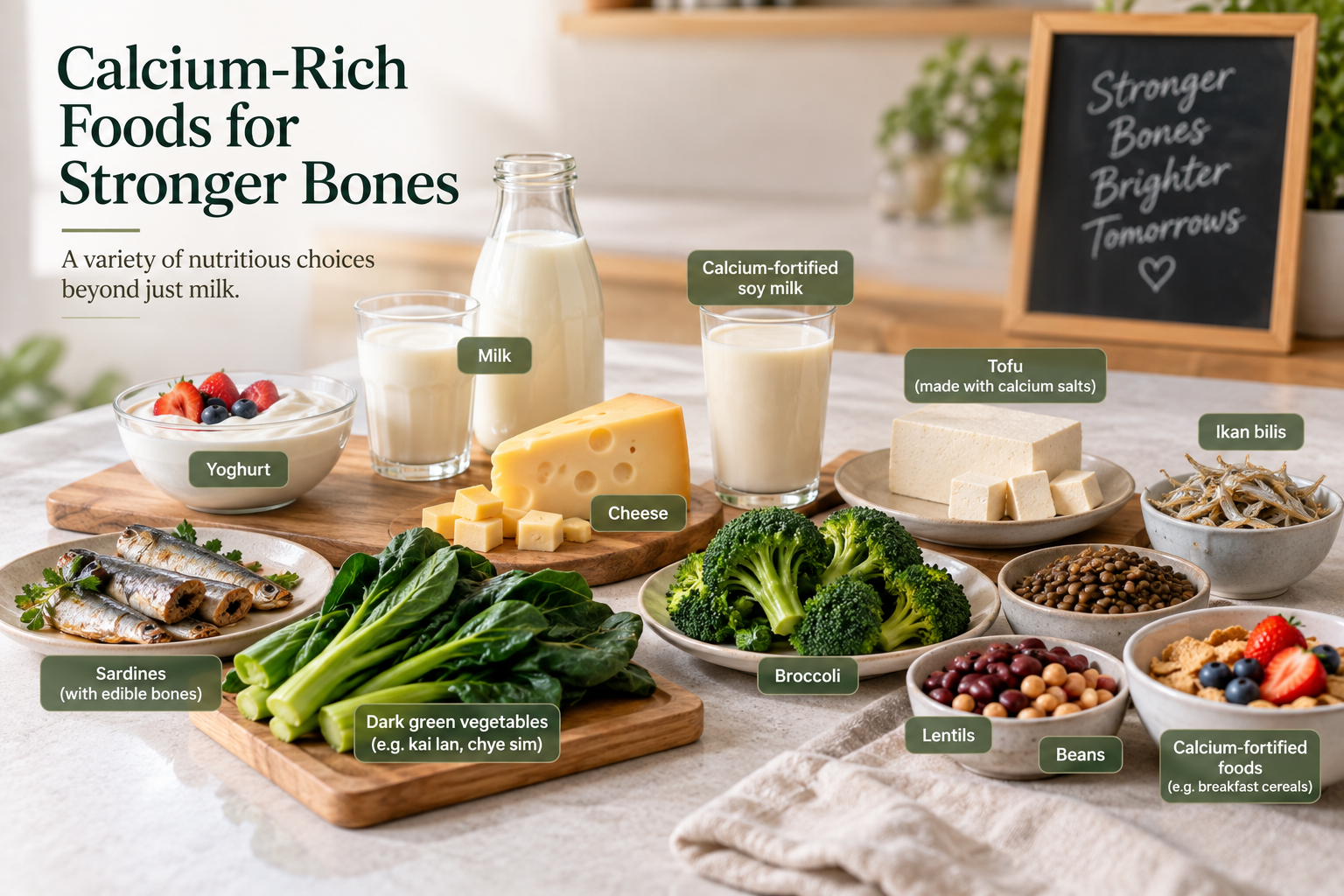
What are good foods for strong bones?
2. Don't Forget Vitamin D
Calcium and vitamin D work together.
Your body needs vitamin D to absorb calcium effectively, and vitamin D also plays a role in maintaining bone structure. (Health Hub)
This is particularly relevant when thinking about vitamin D for bone health.
Vitamin D can come from:
- Sun exposure
- Oily fish such as salmon and sardines
- Eggs
- Fortified foods
- Supplements when appropriate
HealthHub notes that sunlight enables the body to produce vitamin D and recommends sensible sun exposure as one way to support vitamin D status. (HealthHub’s information on vitamin D)
However, sun exposure recommendations should be balanced with Singapore’s strong UV environment and individual skin and health considerations. People who are unable to obtain sufficient vitamin D from diet and lifestyle may wish to discuss supplementation with a healthcare professional.

3. Exercise to Support Strong Bones
Nutrition is only part of the equation.
Regular physical activity provides mechanical stimulus to the bones and also helps maintain muscle strength, mobility and physical function.
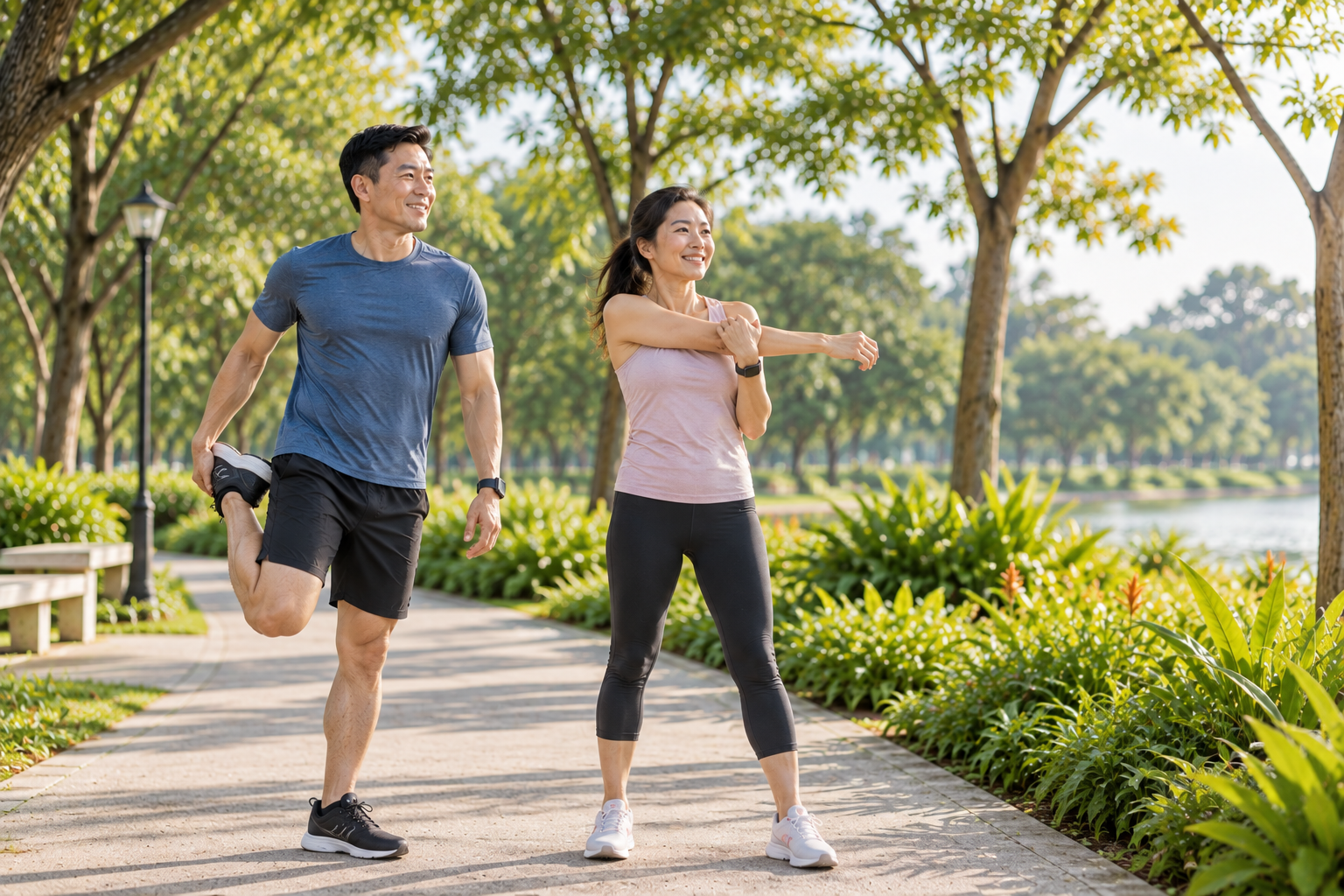
For bone health, useful forms of exercise can include weight-bearing and muscle-strengthening activities, depending on your age, fitness level and health status.
Examples include:
Walking
Brisk walking is a relatively accessible weight-bearing activity for many adults.
It can also be incorporated into everyday routines — for example, walking to nearby destinations, taking the stairs or going for a daily walk.
Strength training
Resistance exercises can help maintain muscle strength and physical function.
This may involve:
- Bodyweight exercises
- Resistance bands
- Light weights
- Machine-based resistance training
If you are new to exercise or have existing medical concerns, start at an appropriate level and consider professional guidance.
Balance exercises
Balance becomes increasingly important with age because falls can result in serious injuries, particularly when bone strength has declined.
HealthHub recommends fall-prevention strategies for older adults, including maintaining physical activity and addressing factors that may increase fall risk. (Health Hub)
In other words, how to maintain strong bones is only part of the picture. Maintaining strong muscles, balance and mobility matters too.
4. Maintain Adequate Protein Intake
Bones are not made of calcium alone.
Bone contains a mineral component as well as an organic matrix, which includes collagen. Protein also plays an important role in maintaining muscle mass and physical function.
HealthHub recommends adequate protein intake as part of healthy ageing and notes that protein can help maintain physical function and reduce muscle loss. (Health Hub)
Good protein sources include:
- Fish
- Lean meat
- Chicken
- Eggs
- Milk and dairy products
- Soy products
- Beans and lentils
Rather than focusing exclusively on calcium, a balanced diet should provide sufficient protein alongside calcium, vitamin D and other nutrients.
5. Limit Habits That Can Work Against Bone Health
Some lifestyle habits can contribute to poorer bone health.
Singapore General Hospital identifies factors associated with osteoporosis risk, including lack of exercise, inadequate calcium and vitamin D intake, smoking, high alcohol intake and prolonged bed rest. (Singapore General Hospital’s osteoporosis guide)

What Role Does Collagen Play in Bone Health?
Collagen is a structural protein found throughout the body, including in bone.
This has led to increasing interest in collagen for bone health, particularly collagen peptides that can be consumed as a supplement.
However, it is important to put the evidence into perspective.
A 2025 systematic review of 36 randomised controlled trials found that collagen supplementation showed promising findings across bone, muscle and joint research, but the authors noted limitations in the available evidence specifically relating to bone health. (PubMed)
A more recent meta-analysis also reported associations between collagen peptide supplementation and improvements in certain measures of bone mineral density and bone turnover. However, the studies showed considerable variation, and this means the results should not be interpreted as proof that collagen supplements can prevent or treat osteoporosis on their own. (PubMed)
A 2026 scoping review similarly found promising associations between collagen supplementation and bone-related measures, while noting substantial heterogeneity and inconsistent findings across studies. (PubMed)
The takeaway is simple:
Collagen may be considered as one part of a broader bone-support routine, but it should not replace a balanced diet, exercise, adequate calcium and vitamin D, or appropriate medical care.
Where Does Super Bones Collagen Fit In?
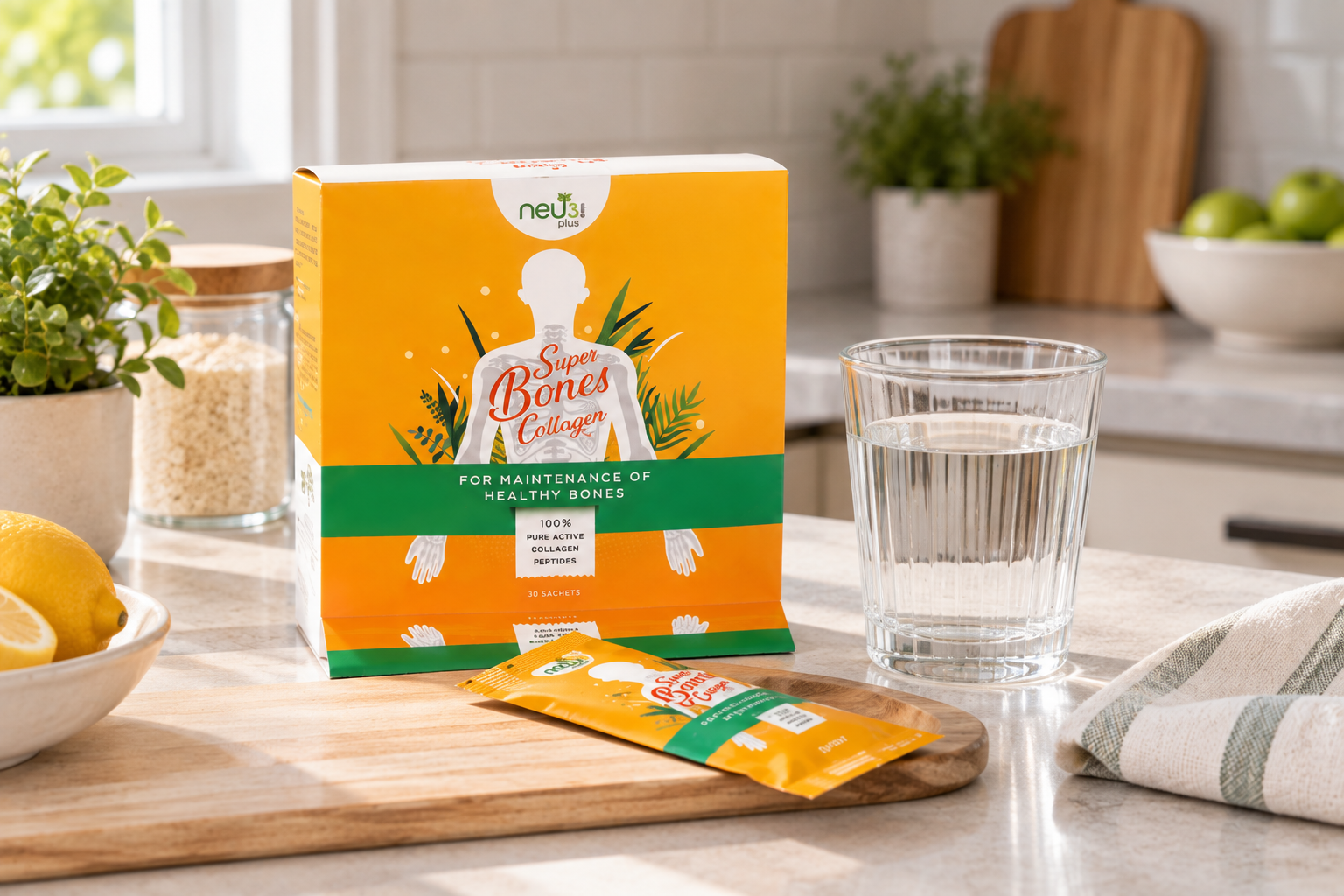
For people looking for bone health supplements in Singapore, NATRAHEA offers Super Bones Collagen as a daily collagen supplement.
According to NATRAHEA, Super Bones Collagen contains 100% active collagen peptides and uses hydrolysed Type I collagen. It is supplied in 30 sachets of 5 g each and is designed to be mixed into water, juice or another preferred beverage. (NATRAHEA 康愈源)
Learn more about NATRAHEA Super Bones Collagen
The product can be viewed as a convenient way of incorporating collagen peptides into a daily routine.
However, it is important to distinguish nutritional support from medical treatment.
Super Bones Collagen should not be presented as a treatment for osteoporosis, osteopenia, fractures or other bone conditions. If you have been diagnosed with osteoporosis or have a high fracture risk, appropriate medical assessment and treatment should take priority.
NATRAHEA’s own product information also advises people who are pregnant, breastfeeding, taking medication or living with a medical condition to consult a medical professional before use. (NATRAHEA 康愈源)
Can Collagen Replace Calcium?
No.
This is an important distinction.
Collagen and calcium play different roles in the structure and maintenance of bone. Calcium is an essential mineral, while collagen forms part of the organic framework of bone.
HealthHub specifically recommends obtaining sufficient calcium through a balanced diet and highlights vitamin D’s role in calcium absorption. (Health Hub)
Therefore, someone taking a collagen supplement should not assume that they no longer need calcium-rich foods.
A more sensible approach is to think about the complete picture:
Calcium + vitamin D + protein + exercise + healthy lifestyle + appropriate professional advice
Collagen supplementation can potentially sit alongside these habits rather than replace them.
A Simple Daily Routine for Better Bone Health
Morning
Start the day with a balanced breakfast containing a source of protein and calcium.
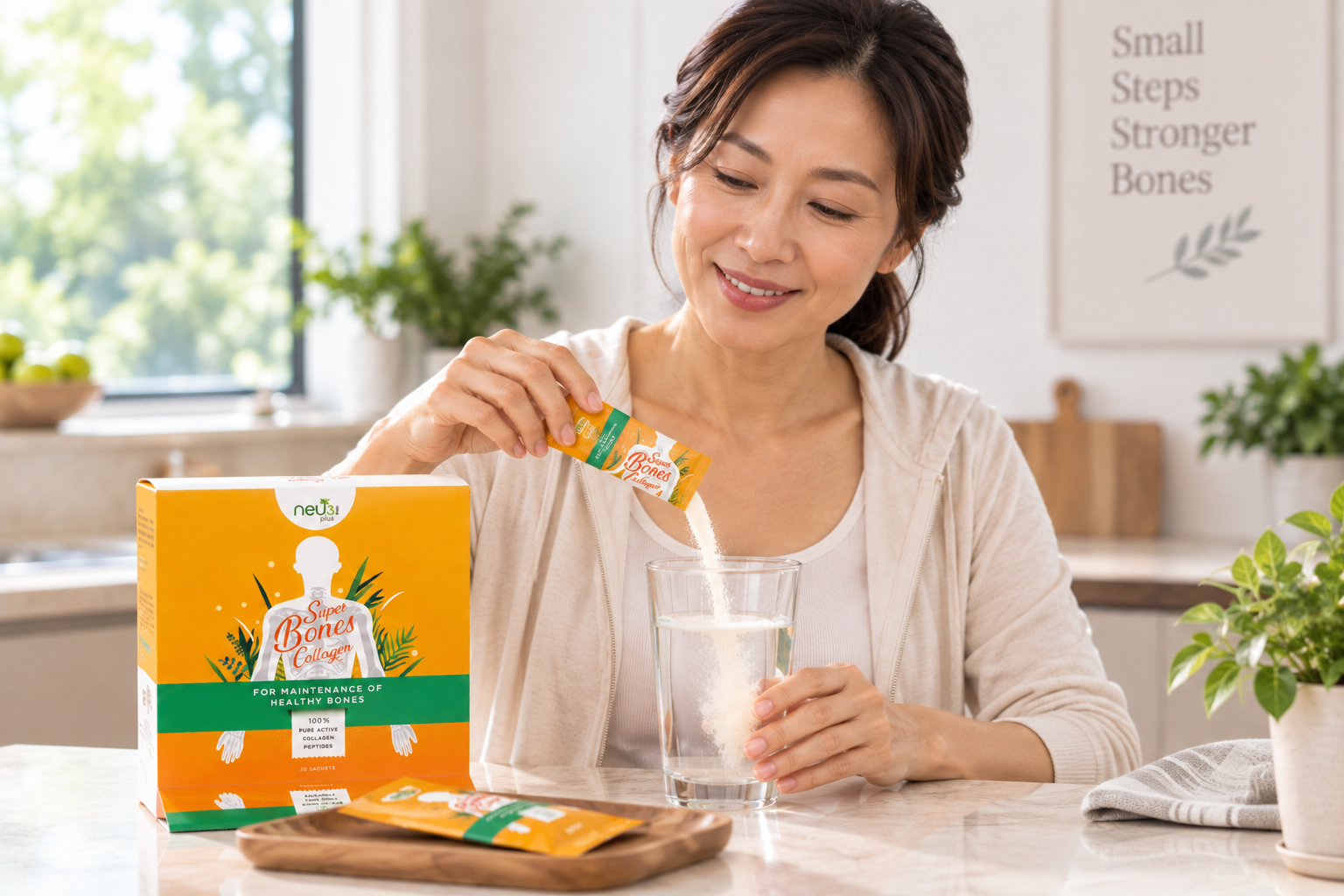
You can also start your morning with one serving of NATRAHEA Super Bones Collagen, prepared with water according to the product’s recommended directions, as part of your daily bone-support routine.
During the Day
Stay physically active.
Try to avoid spending the entire day sitting. Short walking breaks can be an easy starting point if you have a sedentary job. Regular movement can also be incorporated into everyday activities, such as walking to nearby destinations or taking the stairs where appropriate.
During Meals
Include a source of protein and a variety of vegetables in your meals.
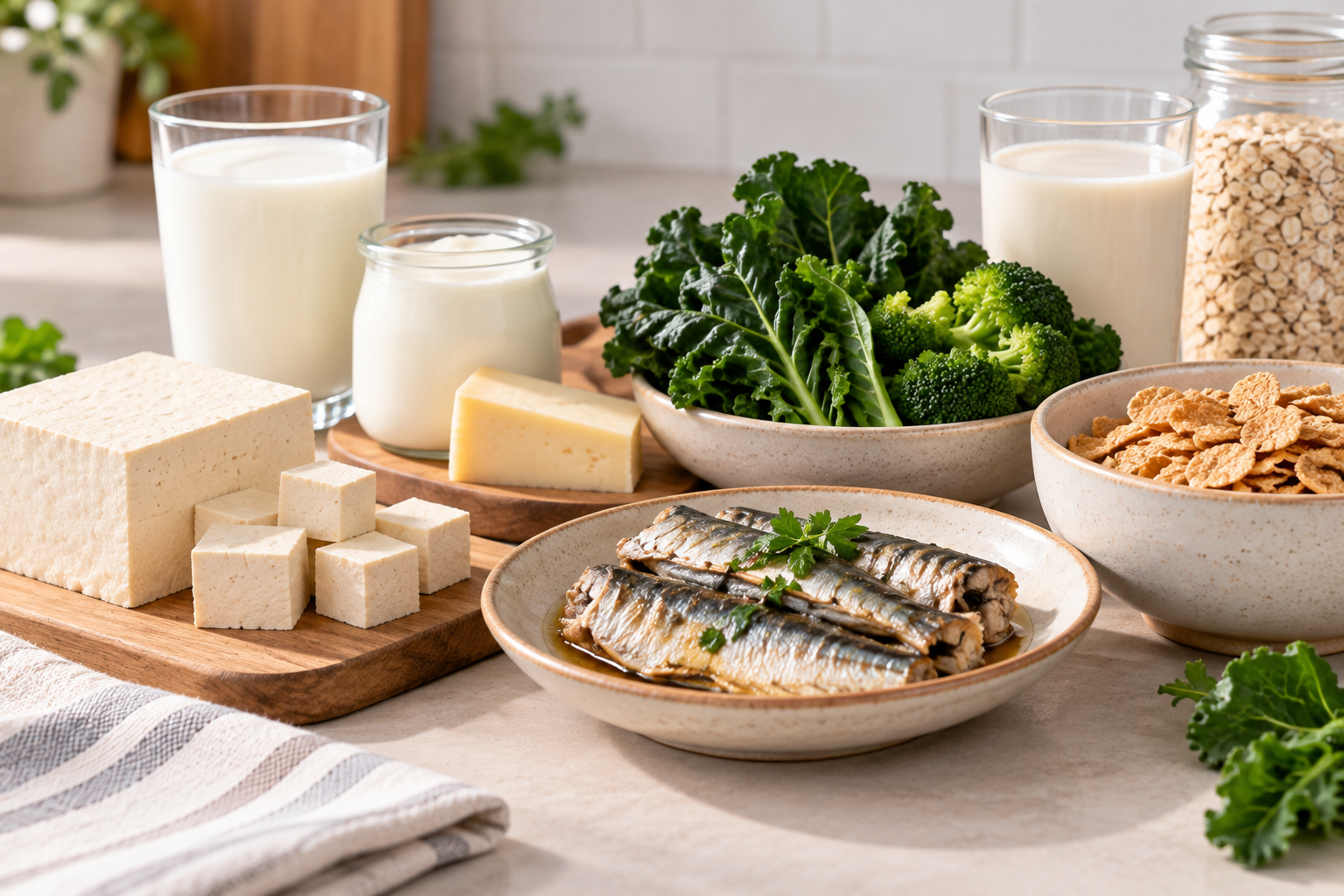
A varied diet helps ensure that your nutritional needs are not dependent on a single food or supplement.
During the Week
Include regular weight-bearing and muscle-strengthening activities that are appropriate for your ability and fitness level.
Walking, resistance exercises and other suitable forms of physical activity can be incorporated into a weekly routine. If you are new to exercise or have existing health concerns, consider seeking appropriate professional advice before starting a new programme.
Evening
Make your evening routine another opportunity to support your daily nutrition.
Have one serving of NATRAHEA Super Bones Collagen prepared with water in the evening, following the product’s recommended directions. Having a morning and evening routine can make it easier to incorporate collagen peptides consistently into your day.
As You Get Older
Pay greater attention to:
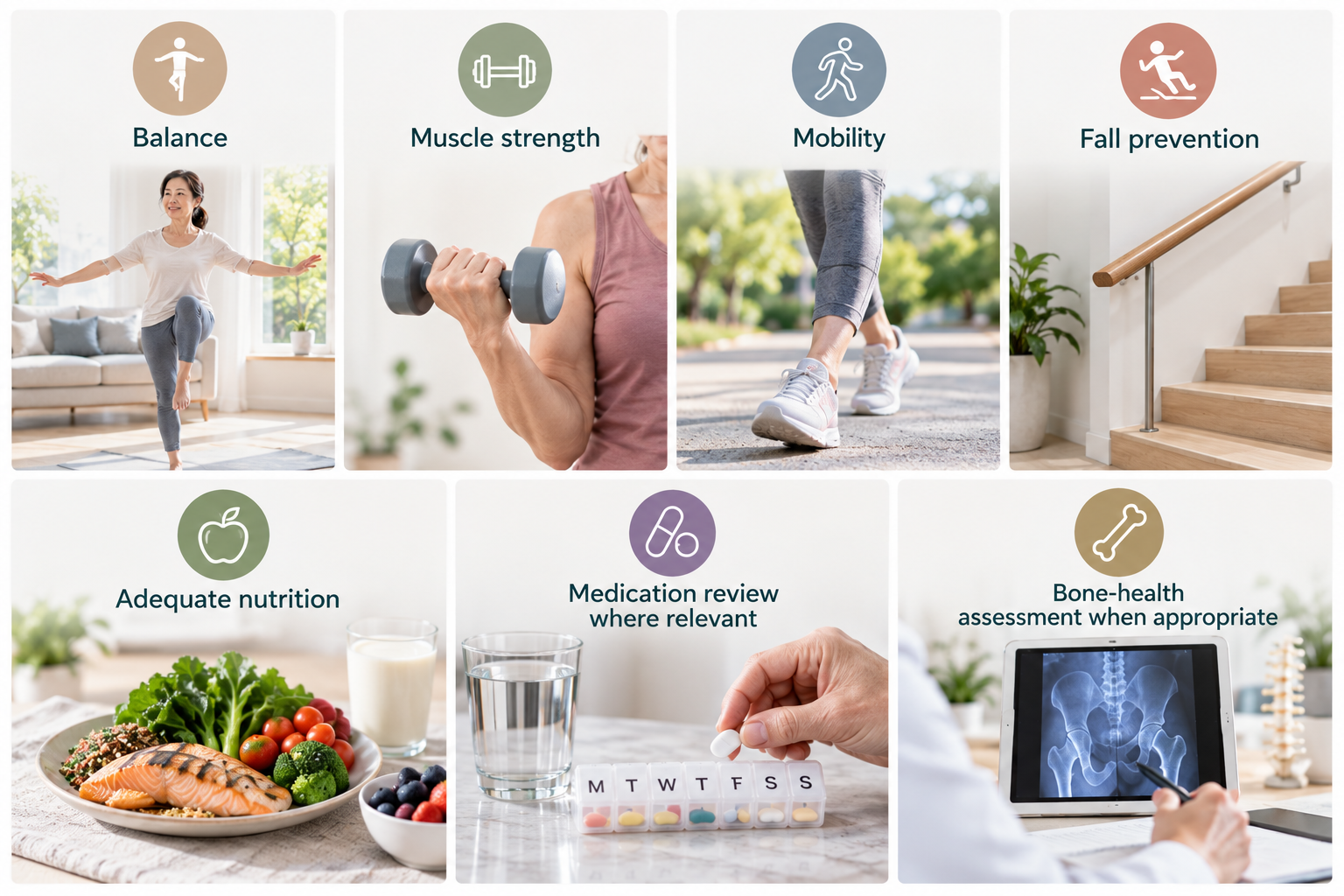
This whole-person approach is more useful than relying on a single supplement. Super Bones Collagen can be incorporated into this daily routine alongside calcium-rich foods, adequate protein, vitamin D, regular physical activity and other healthy lifestyle habits.
Bone and Joint Health for Seniors: What Should Older Adults Pay Attention To?
As we age, maintaining bone and joint health becomes increasingly important. Changes in bone mass, muscle strength, balance, flexibility and joint mobility can occur together, potentially affecting how comfortably and confidently we move through everyday life.
HealthHub notes that adults over 50 are at greater risk of losing bone mass faster than it can be replaced, making adequate calcium intake an important part of maintaining bone health. HealthHub’s guidance on healthy ageing and calcium provides practical guidance on maintaining adequate nutrition as we get older.
For older adults, supporting bone and joint health involves more than focusing on calcium alone. A well-rounded approach should include adequate nutrition, regular movement, muscle and balance training, joint mobility, fall prevention and appropriate health assessments.
Eat for Bone and Joint Health
A balanced diet should provide sufficient protein, calcium, vitamin D and other essential nutrients needed to support overall health as we age.
Calcium-rich choices can include milk, yoghurt, cheese, calcium-fortified soy products, tofu, sardines and vegetables such as kai lan. HealthHub’s guide to calcium-rich foods provides more examples of foods that can contribute to daily calcium intake.
Adequate protein is also important for maintaining muscle strength. Strong muscles support movement and physical function, while maintaining muscle strength and balance can also help older adults stay active and reduce the risk of falls.
For those looking to incorporate collagen peptides into their daily routine, NATRAHEA Super Bones Collagen can be prepared with water and included alongside a balanced diet and active lifestyle.
Keep Moving
Regular physical activity is important for both bones and joints.
Weight-bearing activities can help support bone health, while strengthening exercises help maintain muscle function. Balance and flexibility exercises can also support coordination, mobility and everyday physical function.
HealthHub recommends that older adults incorporate a combination of aerobic activity, strength training, balance and flexibility exercises into their routines. HealthHub’s guidance on exercise for older adults provides examples of activities that can be adapted to different fitness levels.
If you have joint discomfort, limited mobility or an existing medical condition, exercise should be adjusted to your individual needs. Starting gradually and seeking appropriate professional advice can help you find activities that are suitable and sustainable.
Protect Joint Mobility and Function
Bone health is only one part of maintaining mobility as we age. Joint flexibility, muscle strength and range of motion can all influence how easily we perform everyday activities such as walking, climbing stairs, getting up from a chair and reaching for objects.
Gentle stretching, strengthening exercises and appropriate low-impact activities can form part of an active-ageing routine. HealthHub’s Healthy Ageing Hub also highlights strength, balance and flexibility exercises to support mobility and physical function.
Joint stiffness or occasional discomfort does not necessarily indicate a serious problem, but persistent or worsening symptoms should not simply be ignored. If pain is affecting your ability to move or exercise normally, speak with a healthcare professional for appropriate advice.
Reduce the Risk of Falls
Fall prevention becomes particularly important as we get older because falls can result in fractures and other injuries.
Simple steps that may help include:
- Keeping walkways clear of obstacles
- Ensuring adequate lighting at home
- Wearing appropriate, well-fitting footwear
- Using handrails where appropriate
- Maintaining leg and core strength
- Including balance exercises in your routine
- Staying physically active
Maintaining strength and balance can help support physical function and confidence when moving around. Singapore’s physical activity guidance for older adults recommends incorporating strength, balance and other forms of physical activity as part of healthy ageing.
Consider Bone Health Assessment When Appropriate
Not everyone requires the same type or frequency of bone assessment.
Singapore’s Ministry of Health has updated its osteoporosis screening recommendations in 2026, with screening decisions made in primary care based on an individual’s risk factors and the appropriate clinical guidelines. Singapore’s updated osteoporosis screening recommendations provide further information on the current approach.
If you have risk factors for osteoporosis, have experienced a fracture following a minor injury, or have concerns about your bone health, speak with your doctor about whether further assessment is appropriate.
Look After Both Bones and Joints as You Age
Supporting bone and joint health does not require focusing on a single nutrient, exercise or supplement. A more comprehensive approach combines:
Adequate nutrition + regular movement + strength and balance training + mobility work + fall prevention + appropriate health assessments
For those incorporating collagen into their daily routine, NATRAHEA Super Bones Collagen can be prepared with water as part of a consistent daily routine, alongside adequate nutrition and regular physical activity.
The goal is not simply to maintain strong bones. It is also to support the strength, mobility and physical function needed to keep moving comfortably and confidently as you age.
When Should You Speak to a Healthcare Professional?
Lifestyle changes can support general bone health, but they are not a substitute for medical evaluation when there is a genuine concern.
Consider speaking to a healthcare professional if you:
- Have had a fracture following a relatively minor fall or injury
- Have been diagnosed with osteoporosis or osteopenia
- Have significant risk factors for osteoporosis
- Have been experiencing unexplained changes in mobility
- Are taking medication that may affect bone health
- Have difficulty meeting your nutritional requirements
- Are considering calcium, vitamin D or other supplements alongside medication
A healthcare professional can determine whether you need further assessment, such as a bone mineral density test, or whether additional treatment is appropriate.
Frequently Asked Questions
1. What is the best way to improve bone health?
There is no single “best” method for everyone. A combination of adequate calcium and protein intake, sufficient vitamin D, regular weight-bearing and strengthening exercise, healthy lifestyle habits and appropriate medical care provides a more comprehensive approach to maintaining bone health. (Health Hub)
2. How can I maintain strong bones as I get older?
Focus on consistency. Eat a balanced diet containing adequate calcium and protein, maintain vitamin D status, exercise regularly, avoid smoking and excessive alcohol, and take steps to reduce fall risk. If you have risk factors for osteoporosis, discuss bone-health assessment with your doctor.
3. What foods are good for strong bones?
Calcium-rich foods include milk, yoghurt, cheese, calcium-fortified soy products, tofu made with calcium salts, sardines with edible bones, ikan bilis and various green vegetables. A varied diet is preferable to relying on one food. (Health Hub)
4. How important is calcium for bone health?
Calcium is an essential mineral for maintaining bones and teeth. Adequate intake is important throughout life, including after peak bone mass has been reached. (Health Hub)
5. Why is vitamin D important for bone health?
Vitamin D helps the body absorb calcium and plays a role in maintaining bone structure. Vitamin D and calcium therefore work together as part of healthy bone maintenance. (Health Hub)
6. Can collagen supplements support bone health?
Research into collagen peptides and bone health is promising but still developing. Recent reviews have reported improvements in some bone-related measures, but study results vary and more research is needed. Collagen should therefore be viewed as a potential nutritional supplement rather than a treatment for osteoporosis. (PubMed)
7. Is Super Bones Collagen a substitute for calcium?
No. Super Bones Collagen provides collagen peptides, while calcium is an essential mineral. A collagen supplement should complement rather than replace a balanced diet that provides adequate calcium and other nutrients.
8. Who should consider bone health supplements in Singapore?
Supplements may be useful for people who cannot obtain sufficient nutrients through diet or have specific nutritional needs. However, supplementation should be individualised. If you have a medical condition, take medication, are pregnant or breastfeeding, speak with a healthcare professional before starting a supplement. (Health Hub)
9. Does everyone need a bone density scan?
No. Screening decisions depend on individual risk factors and applicable clinical recommendations. Singapore’s 2026 Screening Test Review Committee recommendations emphasise appropriate risk assessment and follow-up through primary care rather than indiscriminate screening. (Ministry of Health)
Conclusion: Strong Bones Start With Consistent Habits
Good bone health in Singapore does not have to involve a complicated routine.
Start with the fundamentals: eat a balanced diet, get enough calcium and protein, maintain adequate vitamin D, stay physically active and pay attention to fall prevention as you age.
Collagen is another area of growing interest. Current research suggests that collagen peptides may have a role in supporting certain aspects of bone health, although the evidence is still developing and collagen should not be regarded as a replacement for calcium, vitamin D, exercise or medical treatment. (PubMed)
For those looking to incorporate collagen into their daily routine, NATRAHEA Super Bones Collagen provides a convenient source of collagen peptides in individual sachets. It can be considered alongside — rather than instead of — the broader habits that contribute to healthy ageing. (NATRAHEA 康愈源)
Ultimately, how to maintain strong bones is less about finding one solution and more about building sustainable habits that support your bones, muscles and overall physical function for years to come.
References
- HealthHub Singapore — Daily Calcium Intake for Greater Bone Strength
- HealthHub Singapore — Healthy Eating Guidelines for Adults
- HealthHub Singapore — Vitamin D
- Singapore General Hospital — Osteoporosis
- Singapore General Hospital — Calcium and Vitamin D
- Singapore Ministry of Health — Screening Test Review Committee Report 2026
- PubMed — Systematic Review of Type I Collagen Hydrolysate and Bone, Muscle and Joint Health
- PubMed — Meta-analysis of Collagen Peptide Supplementation and Bone/Muscle Health
Editorial note: The article deliberately avoids presenting Super Bones Collagen as a treatment for osteoporosis or claiming that collagen alone increases bone density. That distinction is important for maintaining an educational, evidence-led approach and avoiding potentially misleading health claims.
Testimonials

Our Patient Testimonials

*Staff here where all friendly and give you warm welcome, very accomodating and will notify you on the incoming schedule you make.
Thanks NATRAHEA Kovan🙏🙌🏻
NATRAHEA Clinic Locations in Singapore
Book Neck Pain Treatment Appointment
If you’ve been neglecting dull pain for some time now or have a strong sense that your body is imbalanced, don’t sit on it.
You deserve to be comfortable all the time.
- Valid for first-time customers or customers who have not visited NATRAHEA for the past 6 months.
- Date and Time selections are only tentative, on a first-come-first-serve basis. A member of our team will be in touch with you to confirm your selections or advise an alternative appointment subject to availability.
- Only valid for Singaporeans, PR, LTVP or Work Pass Holders. Not available for tourists.
- You may select a tentative appointment date at the payment page. Appointments are on a first-come-first-serve basis. Our customer service team will be in touch within the day to confirm your appointment date.
- Muscle work will only be done if clinically allowed and recommended by our Circle of Healing specialist. Please bring along your past X-ray if you have any pre-existing condition.
- X-Ray may be recommended by the Circle of Healing specialist if condition is assessed to require one before performing any treatment.
- Do bring along any health referrals forms, relevant medical reports (X-rays, MRI, etc) for your first visit. Alternatively, you can reply to the order confirmation email with the reports prior to your first appointment.
- In case you run into difficulties making online payment, feel free to contact us via Whatsapp at 81386088
Awards & Features


